Best Free Unit Converters You Need (2026)
The best free unit converters in 2026: Omni Calculator for technical depth (321+ calculators), UnitKick for fast daily use (90+ categories), and OANDA for currency (31+ years of data). Top tools use NIST-validated factors and browser-based processing for privacy.
Top Converters Compared
| Tool | Categories | Best For | Privacy | Cost |
|---|---|---|---|---|
| Omni Calculator | 321+ calculators | Engineering, physics, dimensional analysis | Browser-based | Free |
| UnitKick | 90+ categories | Everyday use, kitchen, fast lookups | Browser-based (offline) | Free |
| FastTool | 70+ categories | Precision work, digital units (px/em/rem) | Browser-based | Free |
| Numeraty | Multiple | Data transfer (Mbps/Gbps), structured datasets | Browser-based | Free |
| OANDA | Currency | Financial, historical FX data | Server-side (SSL) | Free |
| UnitConvertNow | Multiple | AI-driven dataset conversion | Varies | Free |
Selection Criteria: What Separates Good from Great
| Criterion | Why It Matters |
|---|---|
| NIST/SI validation | Ensures consistent results aligned with international standards |
| Significant figures handling | Prevents “false precision” — showing more decimals than input supports |
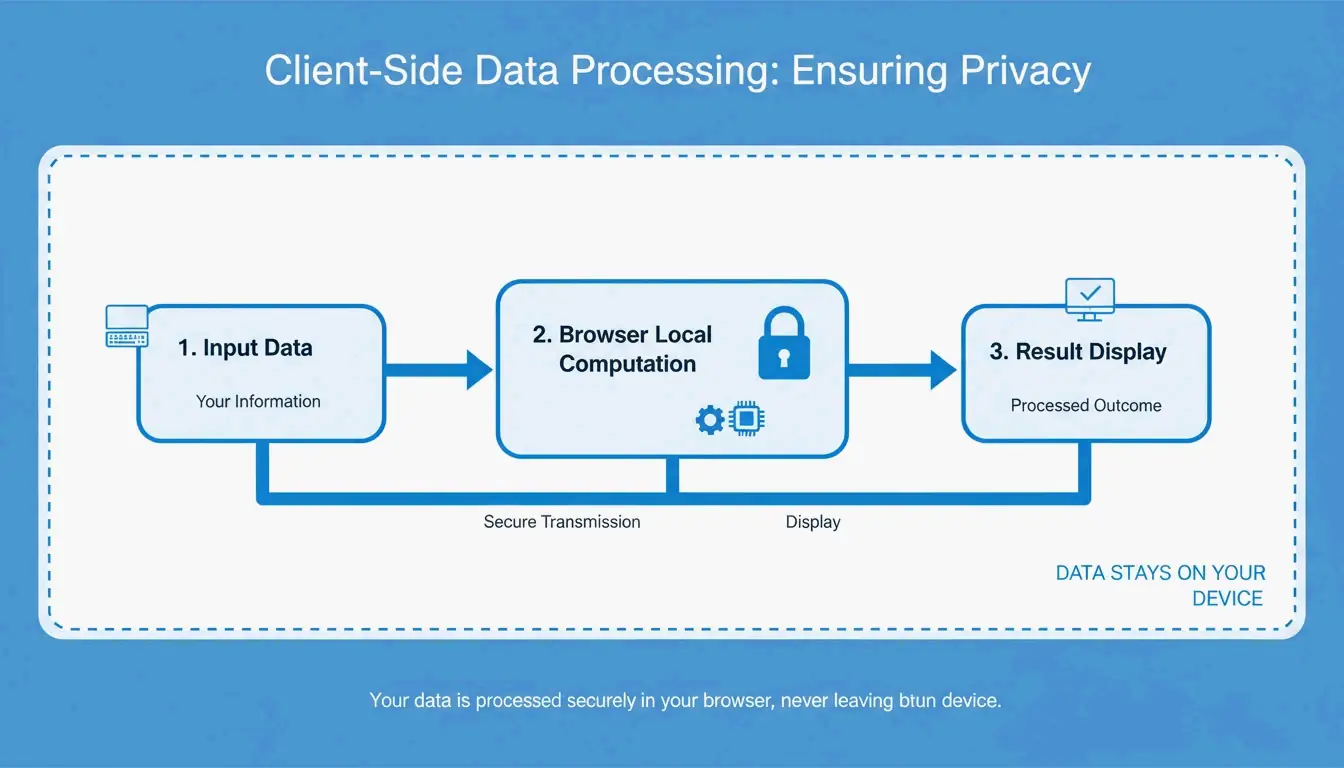
| Browser-based processing | Data stays on your device; works offline after initial load |
| Formula transparency | Shows underlying math for manual verification |
| Error handling | Clear messages for edge cases (e.g., division by zero) |
Per FastTool: “False precision is a quiet credibility killer.” Reliable tools verify factors against NIST and BIPM standards.
US Customary vs. Imperial Units: A Critical Trap
Units with the same name but different volumes:
| Unit | US Customary | Imperial (UK) | Difference |
|---|---|---|---|
| Gallon | 3.785 L | 4.546 L | +20% larger |
| Fluid Ounce | 29.573 mL | 28.413 mL | −3.9% smaller |
| Cup | 236.588 mL | 284.131 mL | +20% larger |
| Pint | 473.176 mL | 568.261 mL | +20% larger |
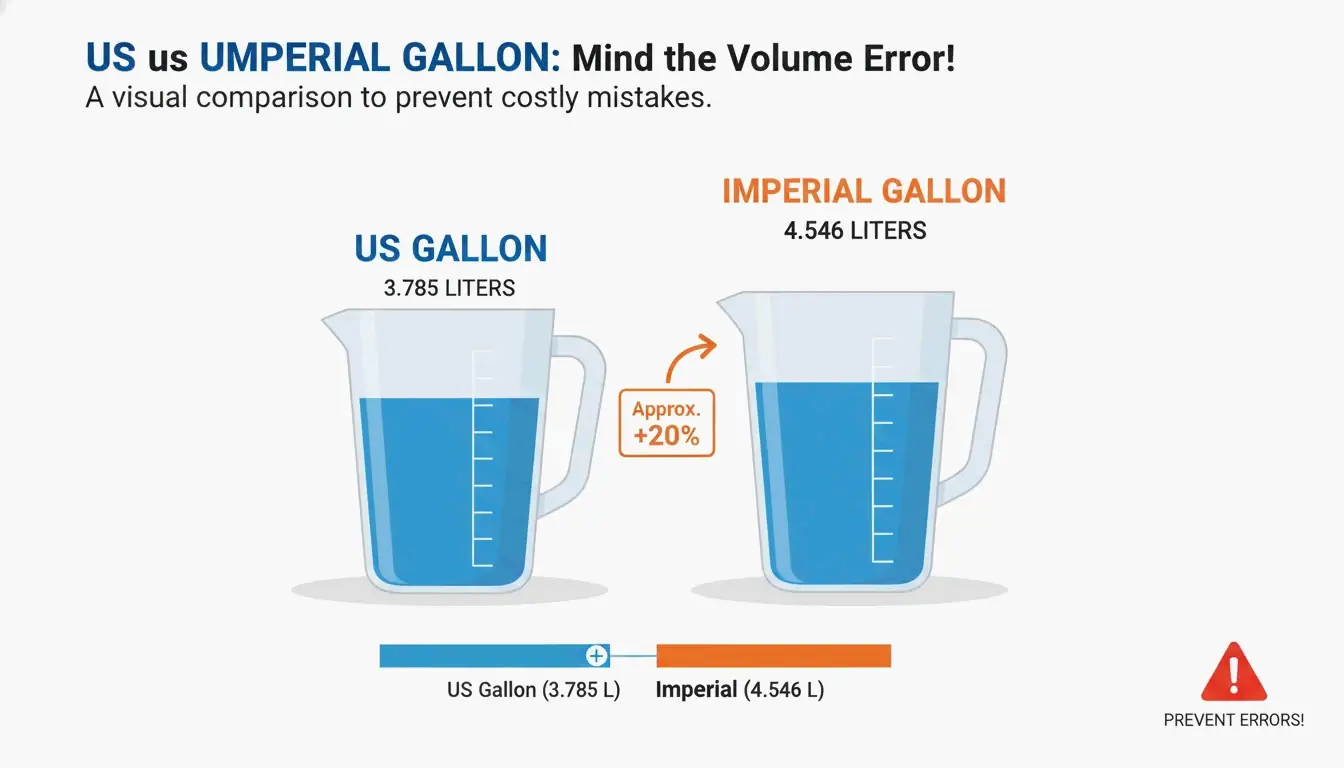
Mixing these up causes 20% volume errors — catastrophic in fuel, chemical, and logistics industries.
Historical Conversion Disasters
| Incident | Year | Error | Cost |
|---|---|---|---|
| Mars Climate Orbiter | 1999 | Pound-force seconds vs. newton-seconds | $125 million lost per FastTool |
| Gimli Glider (Air Canada) | 1983 | Kilograms confused with pounds for fuel | Emergency landing |
Both caused by mixing metric and imperial without validated conversion tools.
Tool Recommendations by Profession
| Profession | Recommended Tool | Why |
|---|---|---|
| Engineer | Omni Calculator | Dimensional analysis, Newtons/Pascals/Joules, BIPM-aligned |
| Web Developer | FastTool / Omni Calculator | px → em → rem → vw/vh conversions |
| Chef / Home Cook | UnitKick | Volume-to-weight by ingredient density |
| Network Engineer | Numeraty / FastTool | Mbps ↔ Gbps ↔ MB/s data transfer units |
| Finance / Trading | OANDA | OANDA Rates™ trusted by corporations and auditors |
| Student | Omni Calculator | Shows formulas for learning and verification |
2026 Trends: AI-Integrated Conversion
- AI dataset conversion: Tools like UnitConvertNow convert entire structured datasets automatically
- Data transfer units: Dedicated Mbps/Gbps converters for network engineering per Numeraty and FastTool
- Precision note: Per FastTool, pi has trillions of known digits but “15 decimal places provide more than enough precision” for practical use
Conclusion
Bookmark UnitKick for daily tasks, Omni Calculator for complex projects, and OANDA for currency. Always verify whether you’re using US or Imperial units before finalizing calculations. Use NIST-validated tools to avoid the kind of costly errors seen in aviation and space exploration history.
FAQ
Are online unit converters accurate enough for professional engineering?
Yes — if they use NIST-validated factors. Tools like Omni Calculator display the underlying formula for manual verification. Always maintain awareness of significant figures and rounding.
What is the difference between a US Gallon and an Imperial Gallon?
US Gallon = 3.785 L (United States). Imperial Gallon = 4.546 L (UK, ~20% larger). Using the wrong unit causes a 20% volume error — critical in fuel, chemical, and logistics.
Do free unit converters store my data?
Most reputable tools (UnitKick, Numeraty, FastTool) use browser-based processing — conversions happen on your device, data never reaches a server. Look for “no server-side storage” or “browser-based” claims in documentation.
SectoJoy
• Indie Hacker & DeveloperI'm an indie hacker building iOS and web applications, with a focus on creating practical SaaS products. I specialize in AI SEO, constantly exploring how intelligent technologies can drive sustainable growth and efficiency.