オンラインロケール変換ツール完全ガイド:BCP 47と通貨標準の最新解説(2026年版)
2026年4月現在、優れたオンラインロケール変換ツールは、言語タグや地域設定をIETF BCP 47などの標準フォーマットに変換します。JavaのLocaleクラスを使った開発でも、Wiseのようなミッドマーケット為替レートツールでも、これらの変換ツールはすべてのデジタルプラットフォームでグローバル互換性と正確な文化的フォーマットを保証します。
基礎を理解する:BCP 47とISO標準
オンラインロケール変換ツールを効果的に活用するには、ロケールとは単なる言語名ではなく、ソフトウェア向けの技術的な指示セットだと考えることが大切です。IETF BCP 47標準は、これらのタグの世界的な基準です。アプリケーションに対して、日付、数値、テキストを異なる地域のユーザーにとって自然に表示する方法を正確に指定します。
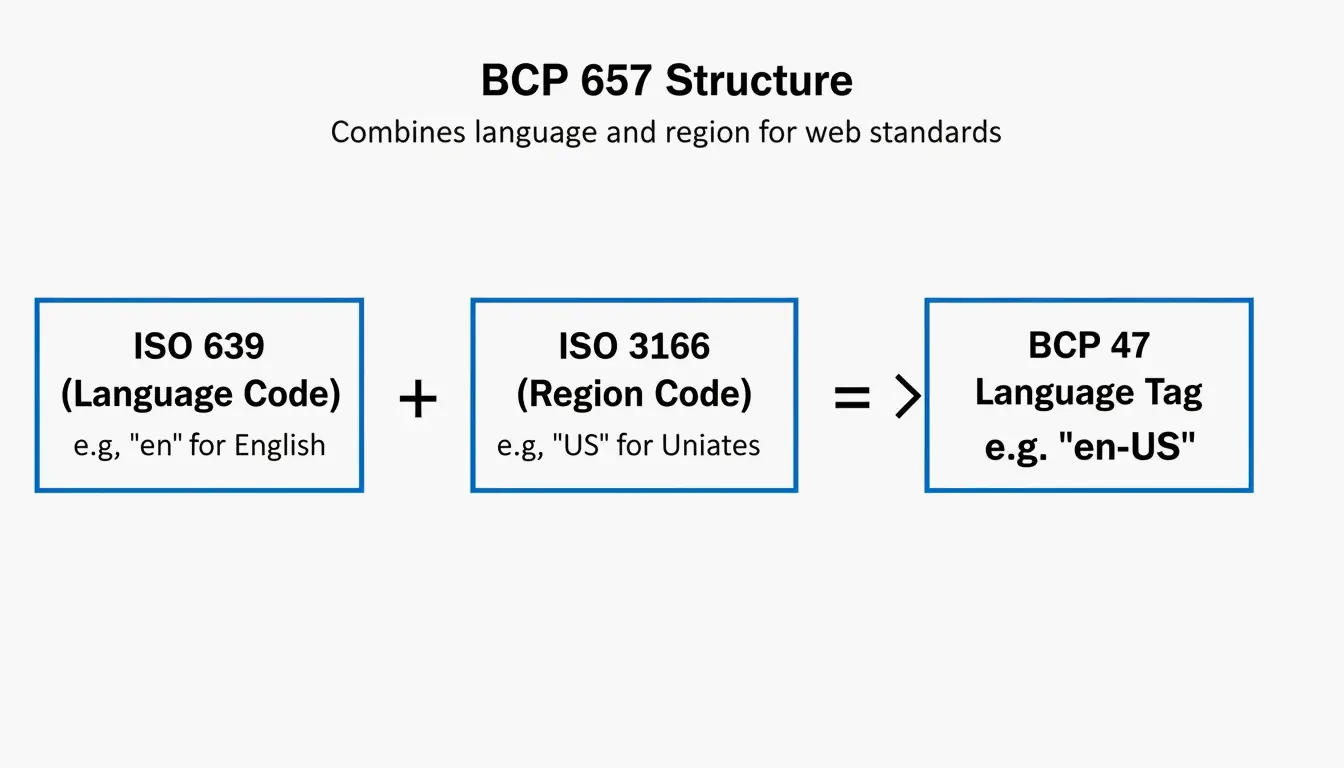
標準的なロケールタグは、通常2つの主要なISOコードを組み合わせます:
- ISO 639:言語を定義します(例:英語なら「en」、日本語なら「ja」)。
- ISO 3166:国や地域を定義します(例:アメリカなら「US」、イギリスなら「GB」)。
これらを組み合わせると、en-US のような完全なタグになります。Java公式ドキュメントによれば、Localeオブジェクトはデータそのものを格納するものではなく、「オブジェクトを識別する仕組み」として機能します。このシステムはLanguage Tag Matching(RFC 4647)に依存しており、「フィルタリング」で一致するすべてのタグを見つけるか、「ルックアップ」でユーザーの設定に基づいて最適な1件を選択します。
標準化されたロケールがグローバルソフトウェアに不可欠な理由
標準化は、データがサイロ化するのを防ぎ、ユーザー体験の不具合を回避します。BCP 47に準拠していない場合、システムはzh-Hant(繁体字中国語)とzh-Hans(簡体字中国語)の違いを正しく判別できず、コンテンツが表示不能になる可能性があります。標準タグを使用することで、開発者はソフトウェアを「ロケールセンシティブ」にでき、ユーザーの地域の習慣や慣例に自動的に適応させることができます。
ロケールが通貨とデータフォーマットをどう変えるか
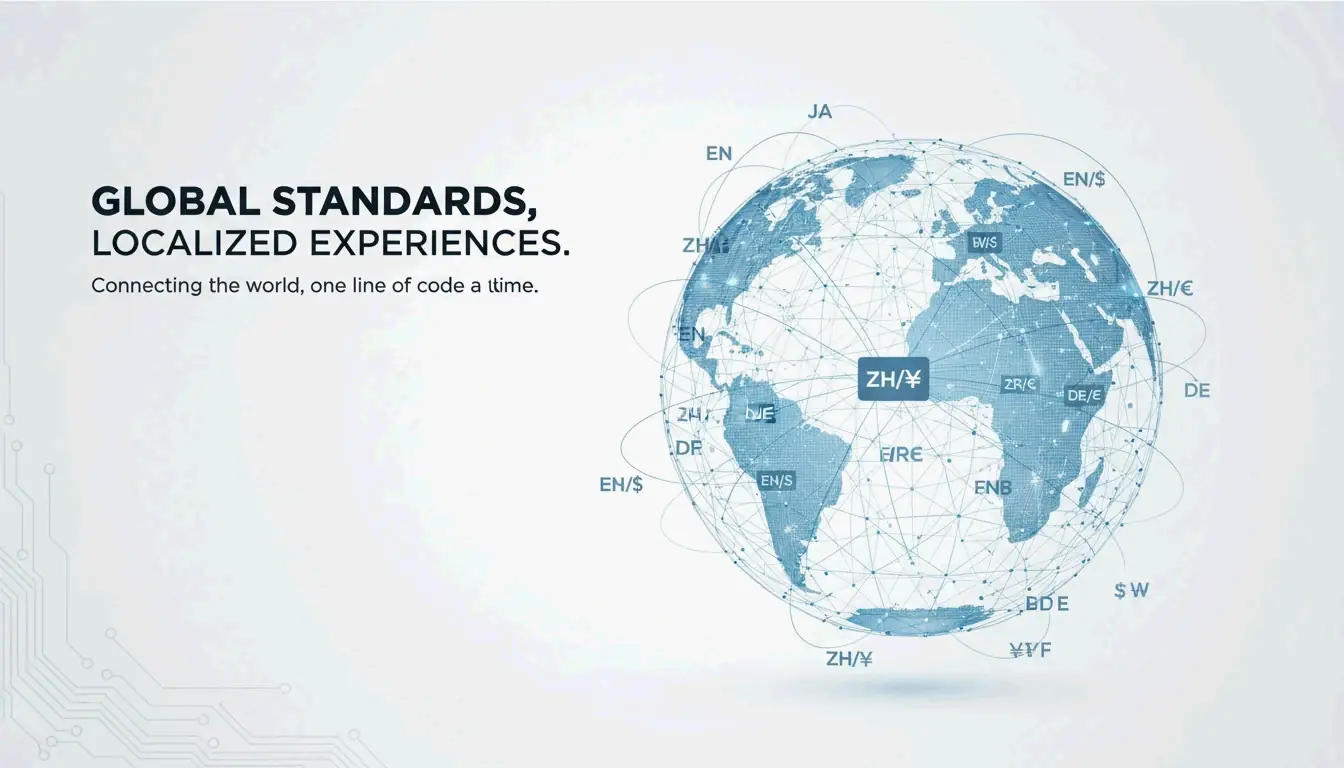
優れたオンラインロケール変換ツールは、単に言語ラベルを入れ替えるだけでなく、画面上の金融データや個人情報の表示方法まで変更します。例えば、ロケールをen-USからen-GBに切り替えると、通貨記号が$から£に変わり、日付フォーマットがMM/DD/YYYYからDD/MM/YYYYに切り替わります。
高度な設定では、さらにきめ細かい制御のためにUnicode Locale Extensionsを使用します。これにより、以下のような固有の設定を選択できます:
- カレンダー:和暦(
u-ca-japanese)など。 - 数字体系:タイ数字(
u-nu-thai)など。
開発者の利点:プロンプトからデータセットへのローカライゼーション
2026年、AIはこれらのロケールを技術的な作業に適用することを大幅に簡単にしました。DeepL 2026春の発表では、AIを活用した自動ローカライゼーションへの移行がグローバルビジネスの大きなトレンドとして注目されています。
現在、「プロンプトtoデータセット」生成を可能にする新しいツールが登場しています。Syneos HealthのプリンシパルソリューションアーキテクトであるRekhu Chinnarathodが紹介しているように、開発者は自然言語でデータセットを記述し、構造化データ(JSON、CSV、SQLなど)を迅速に生成できます。これらのデータセットは、アメリカ、イギリス、インド向けの複数ロケールに自動的に対応し、リアルな地域名や現地通貨を含んでいます。
ロケール変換における本当のミッドマーケット為替レートとは
オンラインロケール変換ツールが金額を処理する際、表示される「レート」は多くの場合ミッドマーケット為替レートです。これは世界市場における2つの通貨の買い価格と売り価格の中間点です。銀行間レートや「リアル」為替レートと呼ばれることもあります。
以下の違いを理解しておくことが重要です:
- 銀行間レート(インターバンクレート):銀行同士が巨額を取引する際に使用するレート。
- コンシューマー向けレート:一般の人が得られるレートで、通常は非表示のマークアップ(スプレッド)が含まれています。
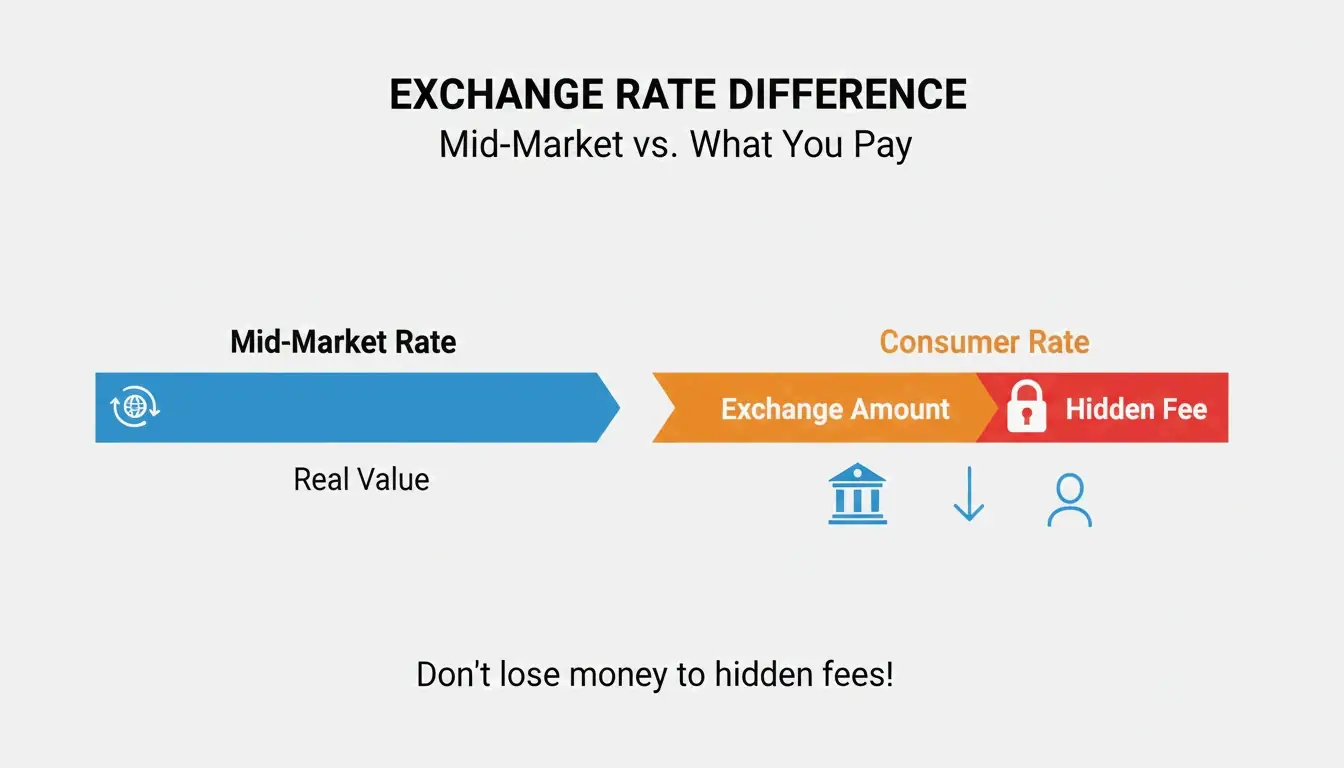
ビジネスでの正確性を期すには、Currency Data APIの使用が不可欠です。38,000以上の通貨ペアについて31年超のデータを追跡しているOANDAは、リアルタイムFXデータが企業の利益を守る上で極めて重要であると指摘しています。同様に、Wiseは、多くのプロバイダーが為替レートに手数料を隠している一方で、ミッドマーケットレートを使用することで透明性を保てると説明しています。2026年時点で、DeepLは200,000社以上の企業が同プラットフォームをグローバルコミュニケーションに利用しており、そこではこうした標準化された金融変換が頻繁に伴うと報告しています。
エンタープライズソリューション:翻訳とデータプライバシー
大企業にとって、ロケール変換は文書翻訳と厳格なプライバシールールのバランスを取る必要があります。エンタープライズツールは、複雑なファイルやマルチメディアを翻訳しながら、元のレイアウトを維持できます。
2026年の大きな優先事項は個人情報(PII)の保護です。企業がテスト用にローカライズされたデータセットを作成または変換する際、PII匿名化ツールを使用します。Rekhu Chinnarathodが共有しているツールは、社会保障番号やクレジットカード情報などの機密データを自動的にマスキングできます。これにより、GDPR、HIPAA、インドのDPDP法などの規制への準拠が支援されます。
これらのサービスは地域社会にも実際の影響を与えています。例えば、クイーンズ公共図書館はLanguageLineを利用して190以上の言語でサポートを提供し、地域住民が希望するロケールで専門の通訳を通じて必要なサービスを受けられるようにしています。
まとめ
真のオンラインロケール変換ツールは、単なる翻訳ツールではありません。文化的コンテキスト、技術的なBCP 47標準、金融の正確性を結ぶ架け橋です。ISO標準に従い、Unicode拡張を活用することで、企業はデジタル製品を世界中のあらゆるユーザーにとって自然なものにできます。開発者にとっての次のステップは、BCP 47準拠のAPIとAI駆動のデータツールの統合です。ビジネスユーザーにとっての目標は透明性です。コンシューマー向けレートに隠された手数料を回避するため、常に変換ツールがミッドマーケット為替レートを使用しているか確認してください。
FAQ
言語タグとロケールの違いは何ですか?
言語タグ(例:’en’)は、コミュニケーションに使用される言語のみを識別します。ロケール(例:’en-US’)はより広範で、言語に加えて、日付のフォーマット、通貨記号、特定地域の文化的な設定など、地域ごとのルールを含みます。
JavaのLocaleをBCP 47言語タグに変換するにはどうすればよいですか?
開発環境でこれを行うには、JavaのLocaleクラス内のtoLanguageTag()メソッドを使用します。このメソッドはロケールをIETF BCP 47標準に準拠した文字列に変換し、最新のWeb互換性に必要な形式を生成します。
通貨変換ツールによって為替レートが異なるのはなぜですか?
これは、一部のツールがミッドマーケットレート(「リアル」なレート)を表示する一方で、他のツールが顧客向けに利益のマークアップを追加しているためです。また、ツールがデータを更新する頻度や、そのデータソース(OANDAと特定の銀行など)によっても、WiseとXEのようなツール間で小さな差異が生じることがあります。
SectoJoy
• Indie Hacker & DeveloperI'm an indie hacker building iOS and web applications, with a focus on creating practical SaaS products. I specialize in AI SEO, constantly exploring how intelligent technologies can drive sustainable growth and efficiency.