सर्वश्रेष्ठ ऑनलाइन लोकेल कनवर्टर: BCP 47 और मुद्रा मानक गाइड (2026)
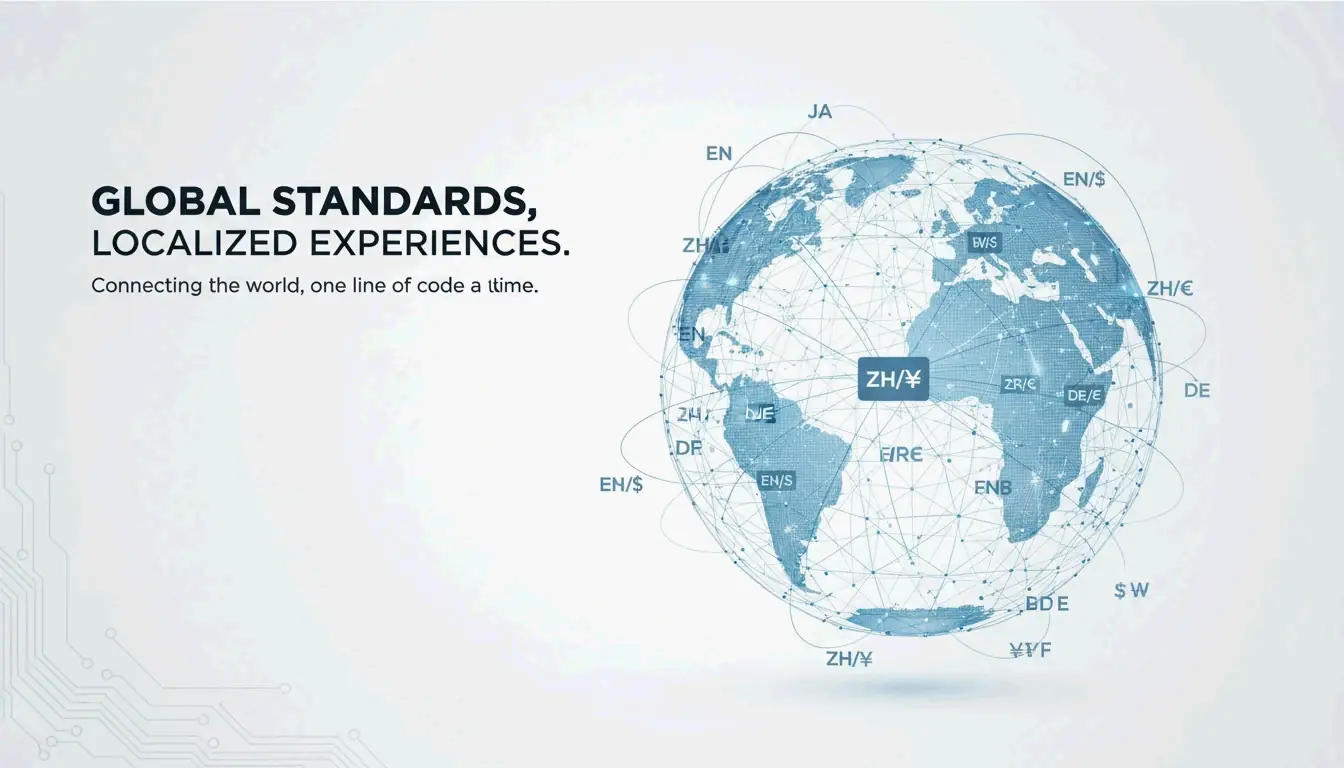
एक ऑनलाइन लोकेल कनवर्टर भाषा टैग और क्षेत्रीय सेटिंग्स को IETF BCP 47 जैसे मानकीकृत प्रारूपों में बदलता है। यह नियंत्रित करता है कि तिथियाँ, संख्याएँ और मुद्रा उपयोगकर्ताओं को कैसे दिखाई देती हैं — स्वचालित रूप से en-US (MM/DD/YYYY, $) से en-GB (DD/MM/YYYY, £) पर स्विच करता है।
BCP 47 भाषा टैग: मानक संरचना
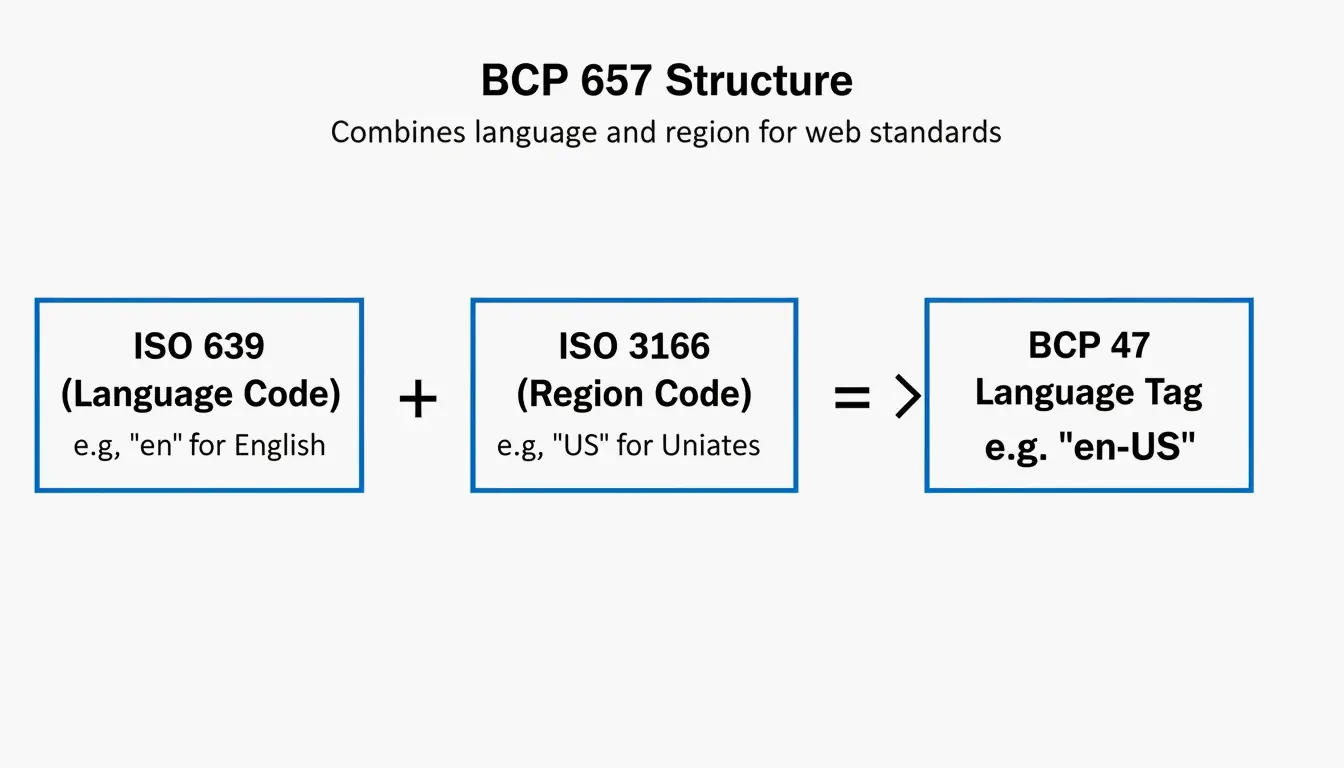
प्रत्येक लोकेल टैग दो ISO कोड को जोड़ता है:
| घटक | मानक | उदाहरण | अर्थ |
|---|---|---|---|
| भाषा | ISO 639 | en, ja, zh |
भाषा पहचानकर्ता |
| क्षेत्र | ISO 3166 | US, GB, JP |
देश/प्रदेश |
| लिपि (वैकल्पिक) | ISO 15924 | Hant, Hans |
लेखन प्रणाली |
| वेरिएंट (वैकल्पिक) | IANA | valencia |
बोली या वेरिएंट |
पूर्ण टैग उदाहरण: zh-Hant-TW = चीनी + पारंपरिक लिपि + ताइवान
Java दस्तावेज़ीकरण के अनुसार, एक Locale ऑब्जेक्ट “वस्तुओं की पहचान के लिए एक तंत्र” है — स्वयं डेटा के लिए एक कंटेनर नहीं।
भाषा टैग मिलान (RFC 4647)
| विधि | व्यवहार | उपयोग का मामला |
|---|---|---|
| फ़िल्टरिंग | सभी मेल खाने वाले टैग लौटाता है | सामग्री वार्ता |
| लुकअप | एकल सर्वोत्तम मिलान लौटाता है | उपयोगकर्ता वरीयता फ़ॉलबैक |
लोकेल तिथि, संख्या और मुद्रा प्रारूपों को कैसे बदलता है
| लोकेल | तिथि प्रारूप | संख्या प्रारूप | मुद्रा |
|---|---|---|---|
en-US |
MM/DD/YYYY | 1,234.56 | $1,234.56 |
en-GB |
DD/MM/YYYY | 1,234.56 | £1,234.56 |
de-DE |
DD.MM.YYYY | 1.234,56 | 1.234,56 € |
ja-JP |
YYYY/MM/DD | 1,234 | ¥1,234 |
zh-Hans-CN |
YYYY-MM-DD | 1,234.56 | ¥1,234.56 |
यूनिकोड लोकेल एक्सटेंशन
उन्नत लोकेल टैग सूक्ष्म नियंत्रण के लिए u- एक्सटेंशन का उपयोग करते हैं:
| एक्सटेंशन | उदाहरण | प्रभाव |
|---|---|---|
u-ca-japanese |
en-US-u-ca-japanese |
जापानी इम्पीरियल कैलेंडर |
u-nu-thai |
th-TH-u-nu-thai |
थाई अंक रेंडरिंग |
u-cf-standard |
en-US-u-cf-standard |
मानक मुद्रा प्रारूप |
BCP 47 अनुपालन के बिना, सिस्टम zh-Hant (पारंपरिक चीनी) को zh-Hans (सरलीकृत चीनी) के साथ भ्रमित कर सकते हैं, जिससे अपठनीय सामग्री उत्पन्न होती है।
मुद्रा रूपांतरण: मिड-मार्केट विनिमय दर
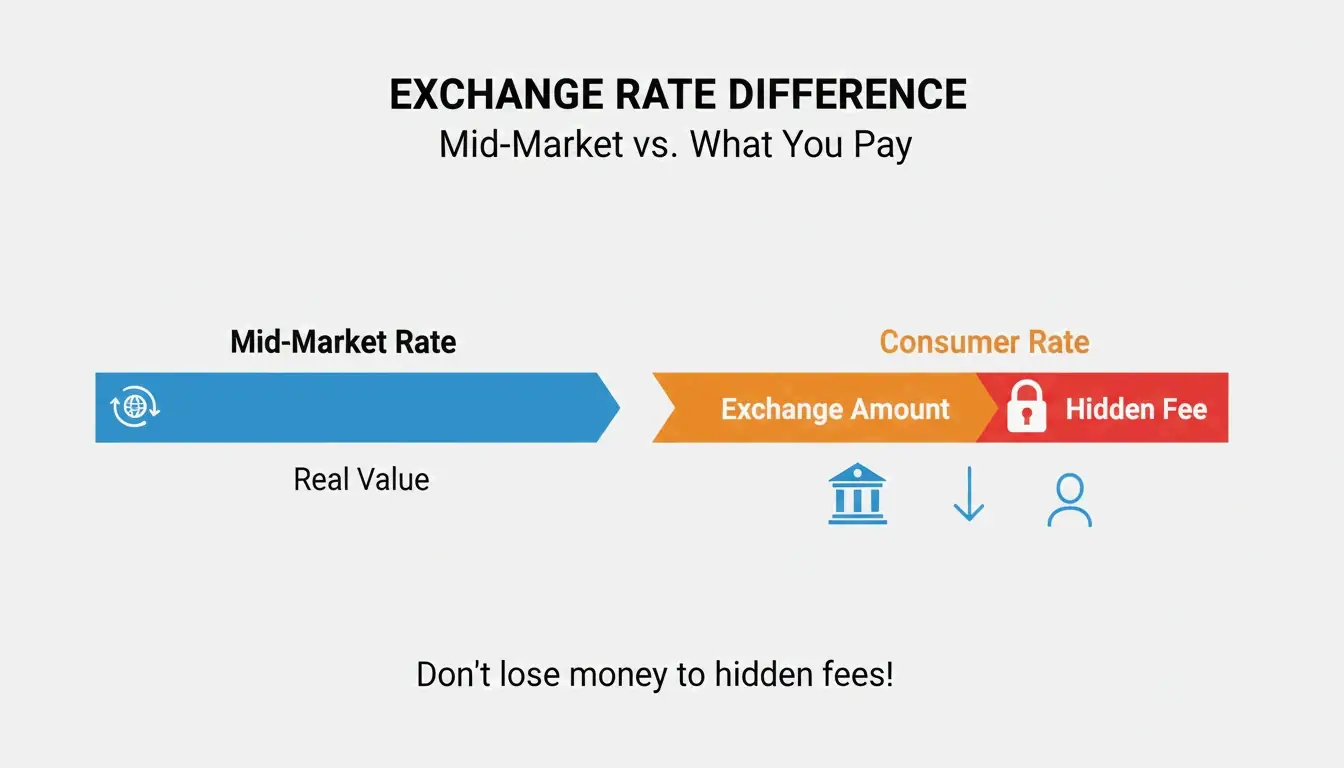
जब लोकेल रूपांतरण धन को संभालता है, तो सटीकता विनिमय दर स्रोत पर निर्भर करती है।
| दर प्रकार | यह क्या है | कौन प्राप्त करता है |
|---|---|---|
| मिड-मार्केट दर | खरीद/बिक्री मूल्यों के बीच मध्य बिंदु | अंतरबैंक व्यापारी |
| उपभोक्ता दर | मिड-मार्केट + छिपा हुआ मार्कअप | अधिकांश व्यक्ति और व्यवसाय |
Wise पारदर्शिता के लिए मिड-मार्केट दर का उपयोग करने पर जोर देता है। OANDA उद्यम सटीकता के लिए 38,000+ मुद्रा जोड़े में 31+ वर्षों का डेटा ट्रैक करता है।
डेवलपर टूल: Java Locale और BCP 47
// Java Locale को BCP 47 टैग में बदलें
Locale locale = Locale.US;
String tag = locale.toLanguageTag(); // "en-US" लौटाता है

// BCP 47 टैग से Locale बनाएं
Locale fromTag = Locale.forLanguageTag("zh-Hant-TW");
Java दस्तावेज़ीकरण आधुनिक वेब API संगतता के लिए toLanguageTag() की आवश्यकता है।
उद्यम स्थानीयकरण: अनुवाद और गोपनीयता
PII अनामीकरण
स्थानीयकृत परीक्षण डेटासेट बनाते समय, व्यवसायों को व्यक्तिगत पहचान योग्य जानकारी (PII) की सुरक्षा करनी चाहिए। रेखु चिन्नाराथोड द्वारा साझा किए गए टूल स्वचालित रूप से सामाजिक सुरक्षा संख्याओं, क्रेडिट कार्ड विवरणों और अन्य संवेदनशील डेटा को मास्क करते हैं — GDPR, HIPAA और DPDP अनुपालन सुनिश्चित करते हुए।
प्रॉम्प्ट-टू-डेटासेट जनरेशन
रेखु चिन्नाराथोड AI टूल प्रदर्शित करते हैं जो सादे अंग्रेजी विवरणों से संरचित बहु-लोकेल डेटासेट (JSON, CSV, SQL) उत्पन्न करते हैं, अमेरिका, ब्रिटेन और भारत के लिए क्षेत्रीय प्रारूपों का स्वचालित रूप से पालन करते हैं।
सामुदायिक प्रभाव
क्वींस पब्लिक लाइब्रेरी LanguageLine का उपयोग 190+ भाषाओं में दुभाषिया सेवाएं प्रदान करने के लिए करती है, निवासियों को उनकी पसंदीदा लोकेल में सेवाओं से जोड़ते हुए।
निष्कर्ष
एक लोकेल कनवर्टर तीन काम करता है: BCP 47 के माध्यम से भाषा टैग का मानकीकरण, क्षेत्र के अनुसार डेटा प्रारूपित करना (तिथियाँ, संख्याएँ, मुद्रा), और मिड-मार्केट दरों का उपयोग करके सटीक मुद्रा रूपांतरण सक्षम करना। डेवलपर्स के लिए, BCP 47-अनुपालक API को एकीकृत करें। व्यापार उपयोगकर्ताओं के लिए, हमेशा सत्यापित करें कि आपका कनवर्टर मिड-मार्केट विनिमय दर का उपयोग करता है।
अक्सर पूछे जाने वाले प्रश्न
भाषा टैग और लोकेल के बीच क्या अंतर है?
एक भाषा टैग (जैसे, en) केवल भाषा की पहचान करता है। एक लोकेल (जैसे, en-US) किसी देश के लिए विशिष्ट तिथियों, मुद्रा प्रतीकों और सांस्कृतिक वरीयताओं को प्रारूपित करने के लिए क्षेत्रीय नियम जोड़ता है।
मैं Java Locale को BCP 47 टैग में कैसे बदलूं?
Locale.toLanguageTag() का उपयोग करें — यह Locale ऑब्जेक्ट को IETF BCP 47-अनुपालक स्ट्रिंग में बदलता है। रिवर्स रूपांतरण के लिए, Locale.forLanguageTag("en-US") का उपयोग करें।
विभिन्न मुद्रा कनवर्टर अलग-अलग दरें क्यों दिखाते हैं?
कुछ टूल मिड-मार्केट दर (पारदर्शी) दिखाते हैं, जबकि अन्य में एक छिपा हुआ मार्कअप होता है। दर की ताजगी और डेटा स्रोत (OANDA बनाम एक विशिष्ट बैंक) भी भिन्नता का कारण बनते हैं। हमेशा जांचें कि क्या आपका कनवर्टर बेसलाइन के रूप में मिड-मार्केट दर का उपयोग करता है।
SectoJoy
• Indie Hacker & DeveloperI'm an indie hacker building iOS and web applications, with a focus on creating practical SaaS products. I specialize in AI SEO, constantly exploring how intelligent technologies can drive sustainable growth and efficiency.