Why Your Content Needs “Handwritten Feel”: Building Trust in a World of AI Automation

6 分钟阅读

TL;DR: In a digital landscape of sterile, AI-generated […]

TL;DR: In a digital landscape of sterile, AI-generated uniformity, a “handwritten feel” makes your brand feel human again. By using organic touches—like custom fonts or personal signatures—you build immediate trust. It’s about signaling real craftsmanship to cut through the noise and drive the kind of engagement generic designs simply can’t touch.

The Psychology of Authenticity: Why We Crave the Human Touch

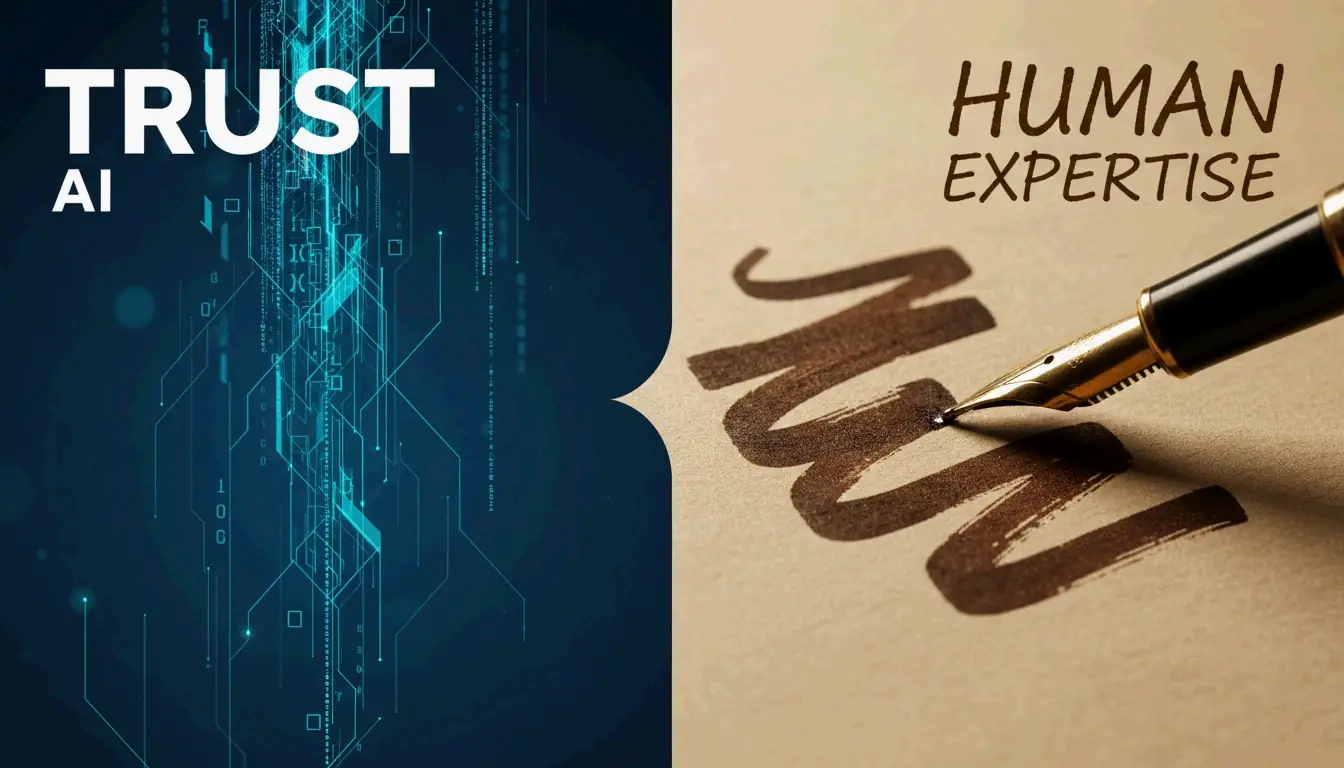
By 2026, most of us have hit a wall with digital content. We’re constantly looking for “proof of person” in every interaction. Adding a handwritten feel meets that basic biological need for connection by showing that a real person—not an algorithm—is behind the message. This style works because it feels intimate and transparent.

Organic elements help you move past the “uncanny valley” of perfect digital grids. When you use a signature or a quick hand-drawn note in the margin, the corporate wall comes down. This works incredibly well for personalization; it feels like a one-to-one conversation rather than a mass broadcast.

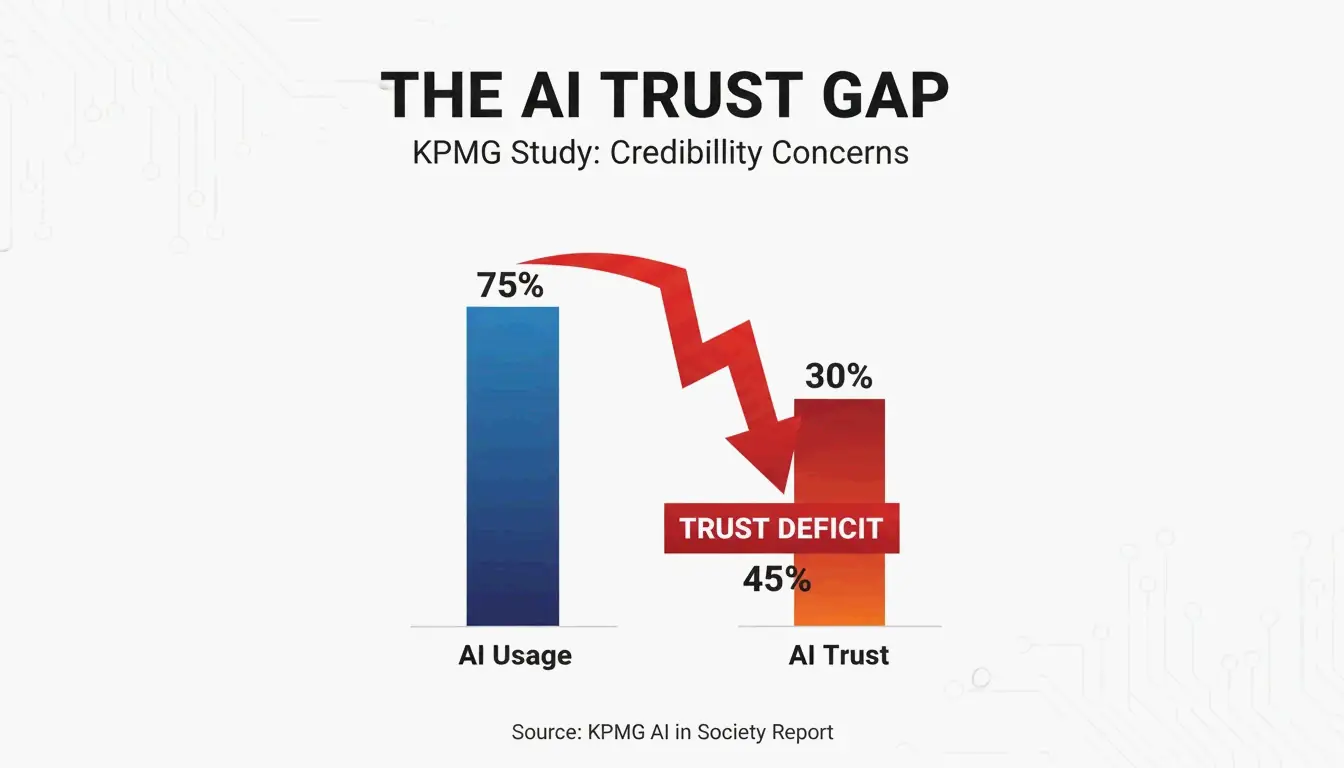
To provide a visual anchor for the key statistical proof of the article's claim, making the data more persuasive.

The results are backed by data. MarketingSherpa found that brands using human-centric design elements see a 20% to 30% jump in engagement compared to standard layouts. As Debbie Millman, Chair of the Masters in Branding program at SVA, puts it: “Handwriting is an intimate expression; it is a way of showing the soul on the page.”

The Anti-AI Aesthetic: Standing Out in 2026

AI is everywhere, and it’s making the internet look “perfect” but incredibly boring. In this environment, intentional imperfection is a premium feature. Adopting a handwritten feel acts as a visual watermark of quality. It tells your audience that the creative work required a human hand, which immediately sets you apart from competitors relying on high-volume, low-effort automation.

A “lo-fi” or organic vibe suggests you’re being honest and vulnerable. Users are naturally skeptical of polished corporate speak, so a hand-drawn icon or a slightly irregular border feels refreshing. It’s not about being messy—it’s about being intentional and showing the labor behind the content.

B2B Use Case: Using Hand-Sketched Diagrams to Simplify Complexity

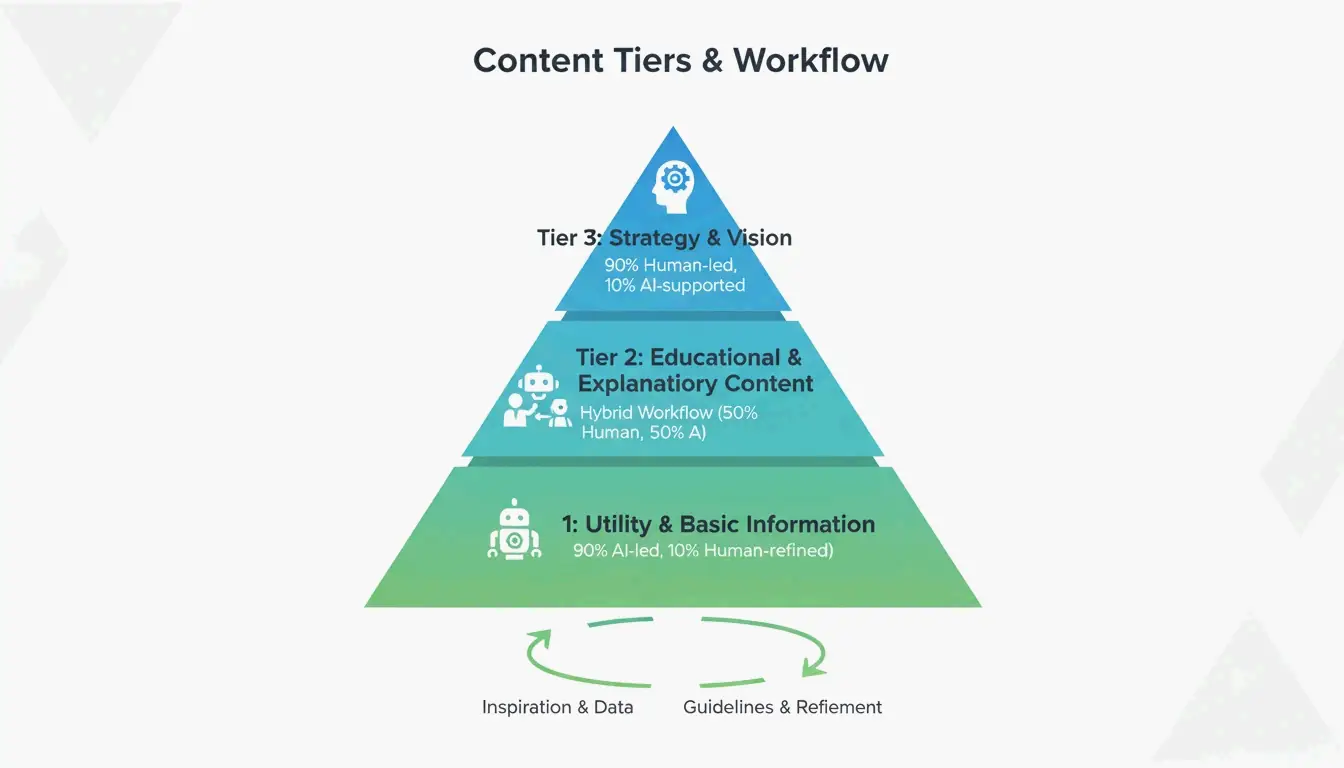
To demonstrate the 'Napkin Sketch' concept mentioned in the B2B use case, showing how it simplifies complexity.

Using a “napkin sketch” style to explain a complex SaaS workflow or a financial model makes the info feel accessible. It feels like a mentor explaining a concept on a legal pad, which helps bridge the gap between cold data and actual understanding.

Does a Handwritten Feel Improve Cognitive Fluency and Memory?

The way our brains process organic shapes actually changes how we remember information. Standard fonts are built for quick scanning, but they often fail to trigger deep memory. A handwritten feel introduces what psychologists call “desirable difficulty”—small variations in shape that force your brain to work a little harder, which actually improves your Cognitive Fluency and Memory.

Irregular lines break the standard “F-pattern” scanning habit. When a reader sees a hand-drawn circle around a specific stat, it acts as a pattern interrupt. Their eyes stop and actually process that information instead of just gliding over it.

Real-world testing from the Nielsen Norman Group shows that sketch-style interfaces often lead to better brand recall. People tend to remember the “story” behind a sketch more than the details of a sterile infographic because the sketch feels like a shared human experience.

Strategic Visual Hierarchy: Guiding the Eye Naturally

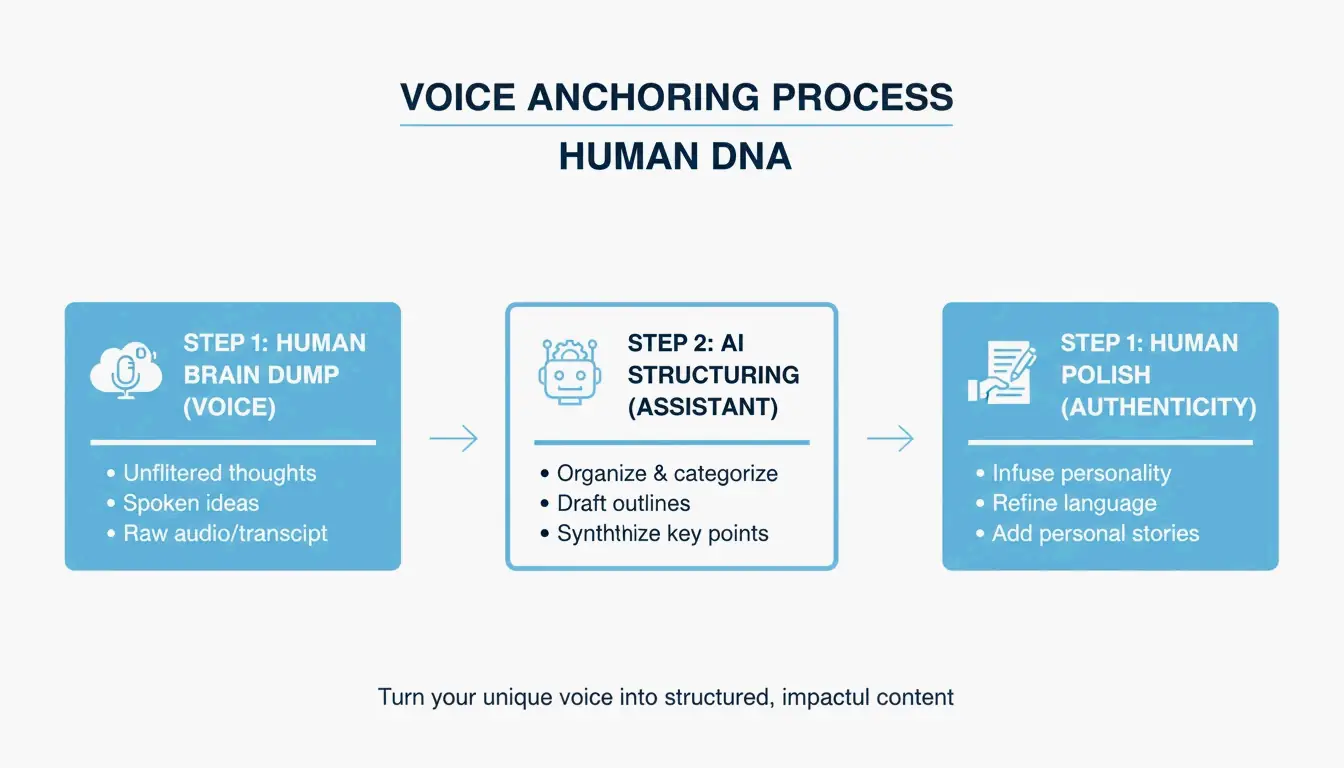
To provide a 'breathing space' after a technical explanation and illustrate exactly what marginalia and wiggly underlines look like in practice.

  • Underlines: Use “wiggly” lines to highlight power words in your headlines.
  • Circles: Put a ring around your primary CTA or a limited-time offer to create urgency.
  • Marginalia: Add “handwritten” notes in the margins to share “insider tips,” much like a well-loved textbook.

The 80/20 Rule: Human Soul Without the Clutter

To keep things professional, stick to the 80/20 rule: 80% clean, structured typography and 20% organic accents. If you overuse script fonts, you’ll run into legibility issues and risk looking a bit childish. The goal is to balance structure with soul, keeping your Typography and Font Choice functional while the accents do the emotional heavy lifting.

When picking fonts, stay away from those overly decorative “wedding invite” styles. Look for “architect” or “felt-tip” fonts that are easy to read and have multiple ligatures (different versions of the same letter). This prevents the “fake” look where every “e” looks identical. It creates a sophisticated, organic look that works for both creative and corporate brands.

Hardware Essentials: Wacom and Apple Pencil for Original Assets

The most authentic feel comes from creating your own assets rather than using stock packs. Tools like a Wacom Tablet or an Apple Pencil with an iPad Pro are perfect for this. Apps like Adobe Fresco or Procreate capture the natural pressure and tilt of your hand, making sure every underline and arrow is unique to your brand.

FAQ

Does using a handwritten font hurt my website’s SEO or accessibility?

Search engines like Google crawl the text in your site’s code, not how the font looks visually. As long as your text is live HTML and not “flattened” into an image, your SEO is perfectly safe. For accessibility, just make sure you have a high contrast ratio and use ARIA labels or descriptive alt-text for any hand-drawn SVG illustrations to stay WCAG compliant.

How can I maintain a professional brand image while using ‘messy’ hand-drawn elements?

Balance is everything. Use organic elements as subtle accents—like marginalia, underlines, or a signature—instead of using a script font for your main body text. When you pair these “imperfect” elements with a clean, structured sans-serif font, you get a look that feels both human and authoritative.

What are the best digital tools or apps to create a realistic ‘handwritten feel’ for my content?

For professional designers, Adobe Fresco and Procreate are the gold standards for realistic ink and charcoal textures. If you aren’t a designer, Canva has a huge library of hand-drawn graphics and script fonts. For web-specific accents, a tool called RoughNotation lets you add animated, hand-drawn underlines and boxes using CSS.

Conclusion

In an automated world, a “handwritten feel” isn’t just a design trend—it’s a signal of authenticity that builds trust and helps people convert. By breaking the perfection of the digital grid with organic shapes, you show your audience that your content was crafted by experts, for humans.

Start small: replace a generic icon with a custom sketch or add a handwritten signature to your next email. Check your engagement after you do, and you’ll likely find that in the age of AI, the “imperfect” content is often what works best.

S

SectoJoy

独立开发者 & 技术博主

我是一名独立开发者,专注于构建 iOS 和 Web 应用程序,致力于打造实用的 SaaS 产品。我擅长 AI SEO,不断探索智能技术如何推动可持续增长和效率提升。
相关文章