Cómo insertar imágenes en código HTML con Base64 rápidamente (2026)
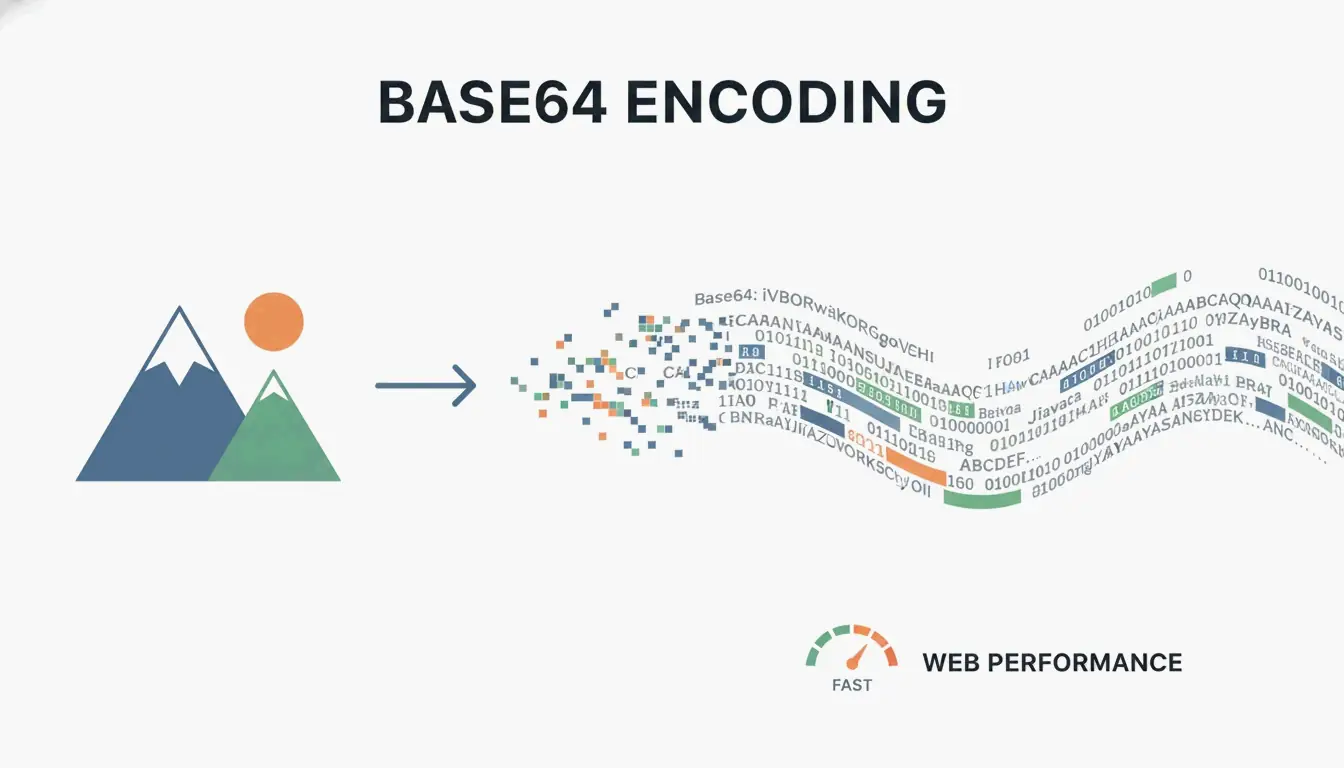
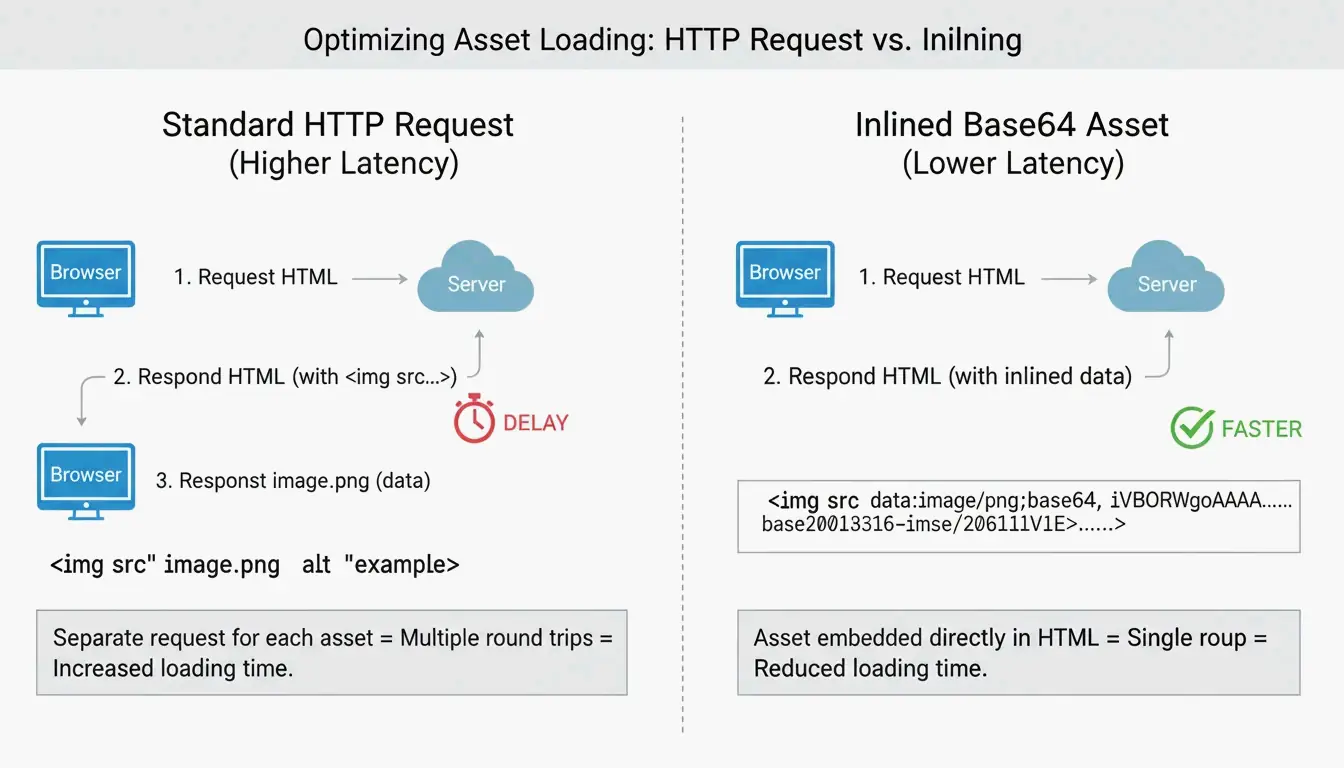
Para insertar imágenes en HTML usando Base64, convierta la imagen en una cadena Data URI y colóquela en el atributo src de <img> o la propiedad CSS background-image. Esto elimina las solicitudes HTTP pero añade un 33% de sobrecarga de tamaño — solo use para archivos menores de 10 KB.
Dos métodos: HTML y CSS
Método 1: Etiqueta HTML <img>
Según DebugBear, el formato estándar:
data:image/[format];base64,[encoded_string]Mejor para: logos pequeños, iconos que deben renderizarse instantáneamente.
Método 2: CSS background-image
background-image: url(data:image/png;base64,PHN2ZyB4bWxucz...);Según FreeConverto, funciona bien para iconos de navegación y botones — se renderizan en cuanto se analiza el CSS.
Prefijos de formato
| Image Format | Data URI Prefix |
|---|---|
| PNG | data:image/png;base64, |
| JPEG | data:image/jpeg;base64, |
| WebP | data:image/webp;base64, |
| SVG | data:image/svg+xml;base64, |
| GIF | data:image/gif;base64, |
| AVIF | data:image/avif;base64, |
La sobrecarga del 33%
Según Wikipedia, la codificación Base64 aumenta el tamaño del archivo en aproximadamente 33%.
| Original File | Base64 Size | Overhead |
|---|---|---|
| 1 KB | ~1.33 KB | +0.33 KB |
| 5 KB | ~6.67 KB | +1.67 KB |
| 10 KB | ~13.3 KB | +3.3 KB |
| 50 KB | ~66.7 KB | +16.7 KB |
| 100 KB | ~133 KB | +33 KB |
| 500 KB | ~667 KB | +167 KB |
La regla de los 10KB
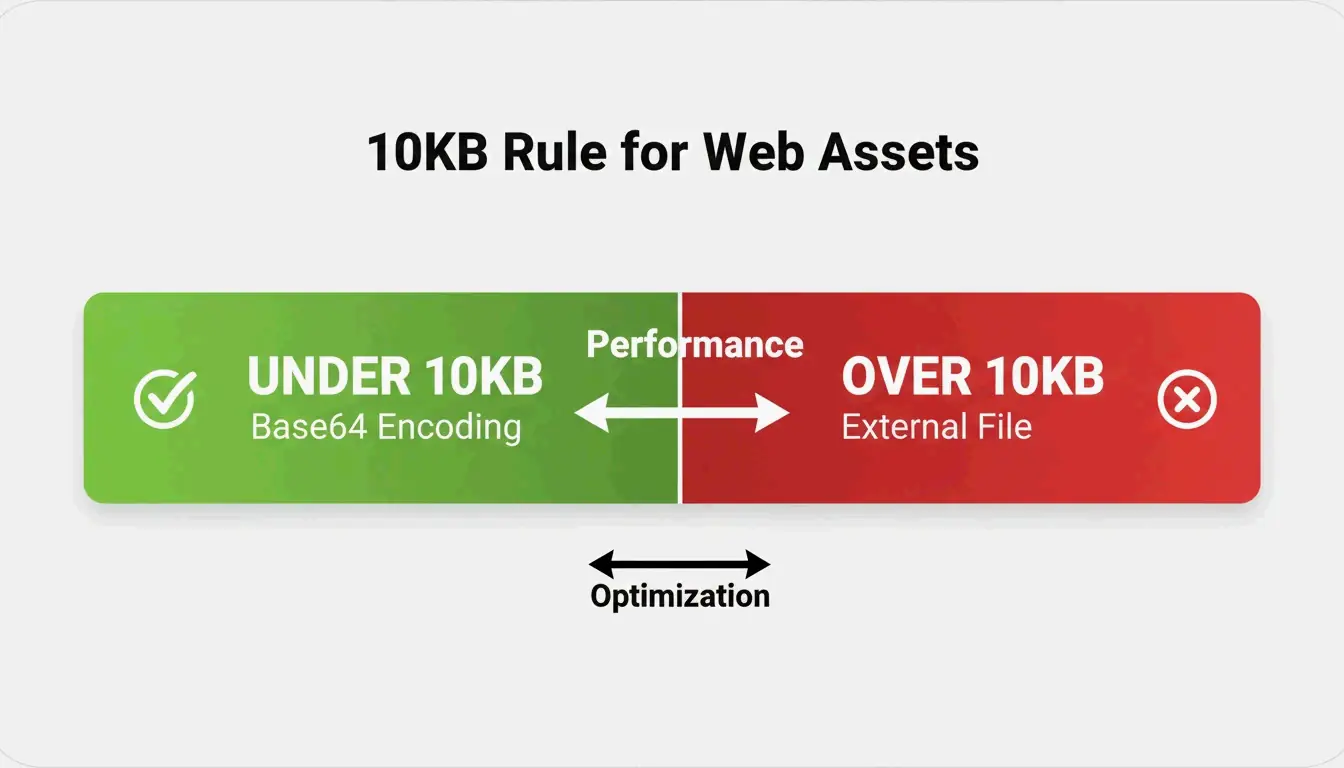
Según FreeConverto, mantenga los archivos Base64 por debajo de 5-10 KB. Por encima de 10 KB, la sobrecarga perjudica más el rendimiento de lo que ayuda la solicitud HTTP ahorrada.
Impacto en Core Web Vitals
Un análisis de DebugBear mostró que archivos HTML que superan 1 MB causan retrasos de análisis, afectando el Largest Contentful Paint (LCP).
Consejo de eficiencia: convertir a WebP primero
Según FreeConverto, convierta las imágenes a WebP antes de la codificación Base64 para obtener cadenas más cortas.
| Format | Original Size | Base64 Size |
|---|---|---|
| PNG icon | 8 KB | ~10.7 KB |
| WebP (same icon) | 4 KB | ~5.3 KB |
WebP + Base64 = la mitad de la longitud de cadena que PNG + Base64.
Herramientas de automatización
| Tool | Method | Security |
|---|---|---|
| VS Code Extension (“Image to Base64”) | Right-click → copy Base64 string | Local |
| FreeConverto | Browser-based FileReader API | Files never leave your device |
| Node.js script | CI/CD build process automation | Local/server |
Cuándo usar vs. evitar Base64
| Use Base64 When | Avoid Base64 When |
|---|---|
| Small UI icons (< 10 KB) | Large photos (> 10 KB) |
| Above-the-fold critical assets | Images repeated across multiple pages |
| Email HTML templates (blocked external images) | Assets that benefit from browser caching |
| Single-use decorative elements | SVGs (use raw XML instead — smaller + compressible) |
Según JustUse.me, Base64 es especialmente valioso para plantillas de correo electrónico.
Conclusión
Use Base64 para archivos UI pequeños menores de 10 KB — convierta a WebP primero. Mantenga fotos grandes como archivos externos para caché.
FAQ
¿Por qué el código Base64 es tan largo?
Base64 representa datos binarios usando solo 64 caracteres ASCII — cada píxel se traduce en múltiples caracteres de texto, añadiendo ~33% de sobrecarga.
¿Base64 proporciona seguridad o cifrado?
No. Base64 es codificación, no cifrado. Es fácilmente reversible — no confíe en él para proteger contenido.
¿Puedo usar Base64 para fotografías grandes?
Muy desaconsejado. Infla HTML/CSS, retrasa el renderizado y perjudica el SEO. Use archivos externos con caché y carga diferida.
SectoJoy
• Indie Hacker & DeveloperI'm an indie hacker building iOS and web applications, with a focus on creating practical SaaS products. I specialize in AI SEO, constantly exploring how intelligent technologies can drive sustainable growth and efficiency.