Как быстро встроить изображения в HTML-код с помощью Base64 (2026)
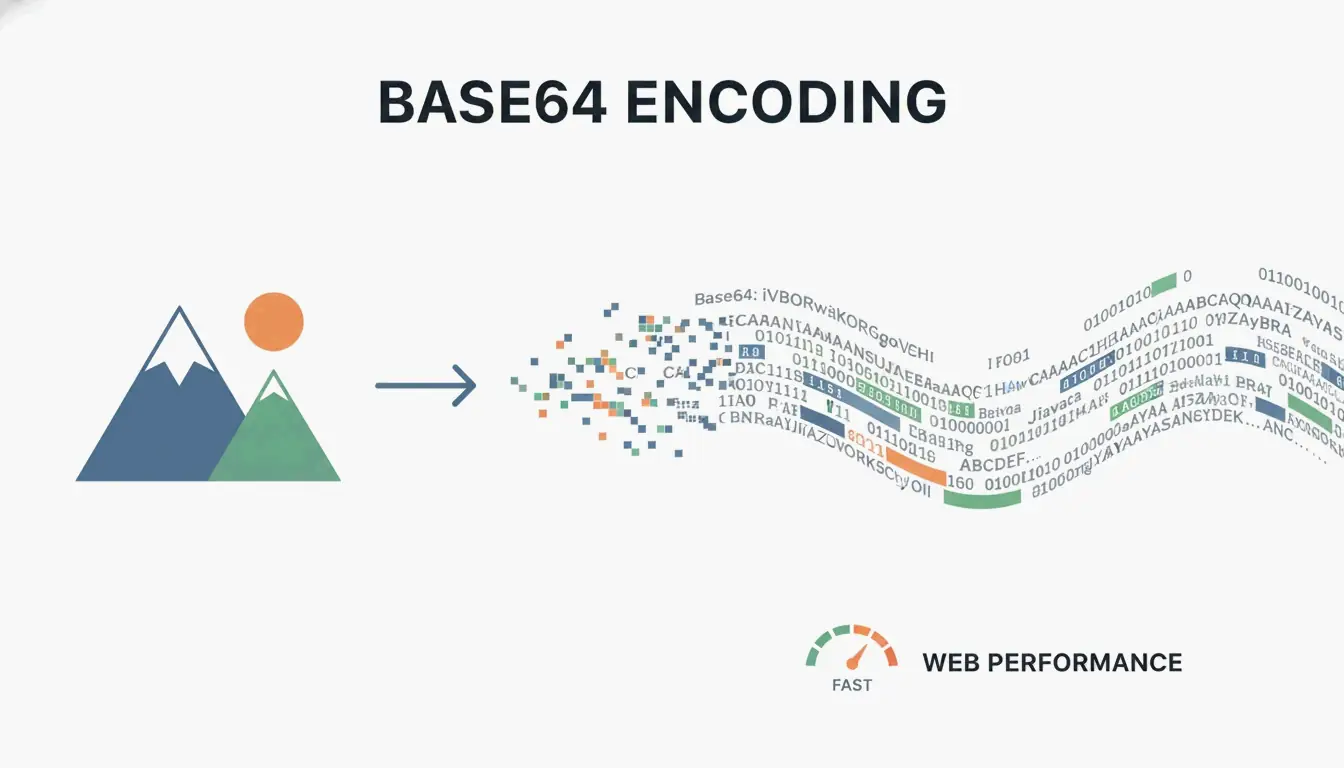
Чтобы встроить изображения в HTML с помощью Base64, преобразуйте изображение в строку Data URI и поместите в атрибут src тега <img> или свойство CSS background-image. Это устраняет HTTP-запросы, но добавляет избыточность 33% — используйте только для ресурсов менее 10 КБ.
Два метода: HTML и CSS
Метод 1: Тег HTML <img>
По данным DebugBear, стандартный формат:
data:image/[format];base64,[encoded_string]
Лучше всего: маленькие логотипы, иконки первого экрана, которые должны отображаться мгновенно.
Метод 2: CSS background-image
background-image: url(data:image/png;base64,PHN2ZyB4bWxucz...);
По данным FreeConverto, подходит для навигационных иконок и кнопок — они отображаются в момент разбора CSS.
Префиксы форматов
| Формат | Префикс Data URI |
|---|---|
| PNG | data:image/png;base64, |
| JPEG | data:image/jpeg;base64, |
| WebP | data:image/webp;base64, |
| SVG | data:image/svg+xml;base64, |
| GIF | data:image/gif;base64, |
| AVIF | data:image/avif;base64, |
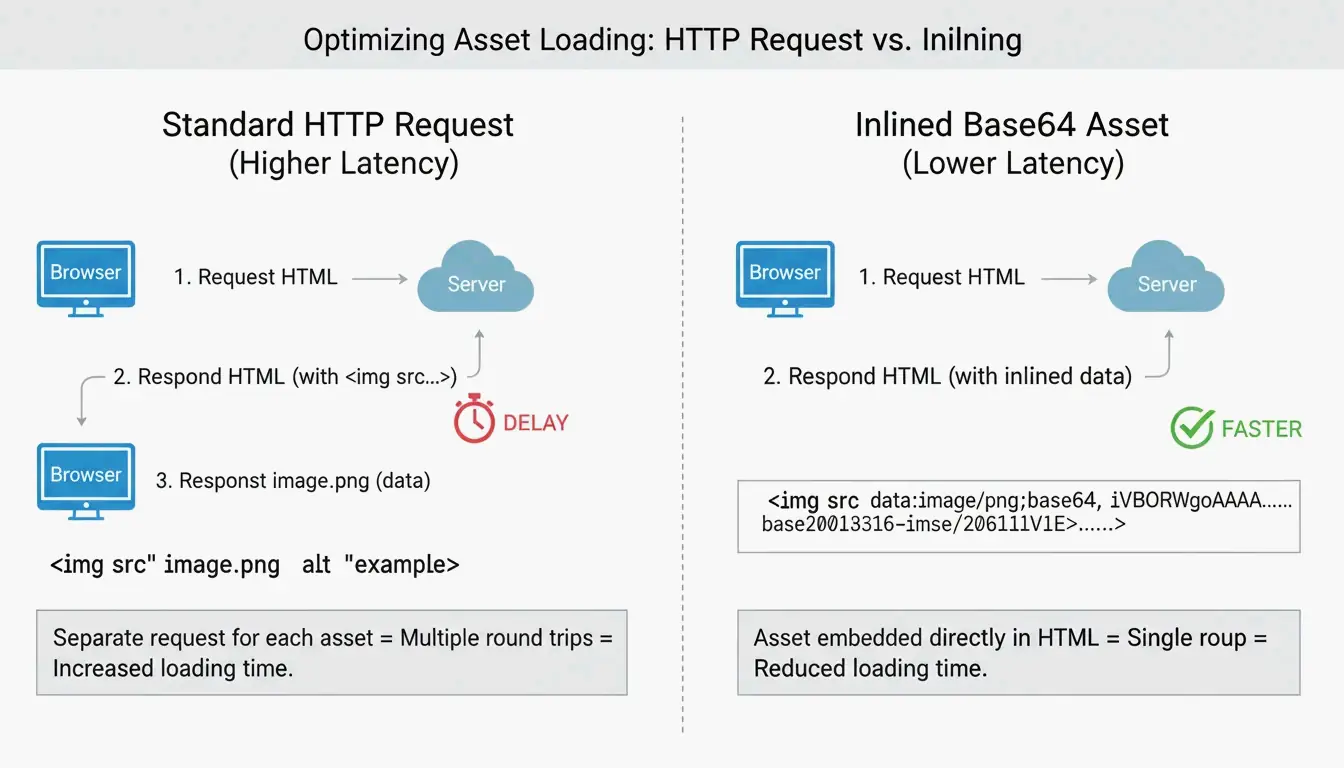
Избыточность 33%
По данным Википедии, кодировка Base64 увеличивает размер файла примерно на 33%, поскольку представляет двоичные данные только 64 символами ASCII.
| Исходный файл | Размер Base64 | Избыточность |
|---|---|---|
| 1 КБ | ~1.33 КБ | +0.33 КБ |
| 5 КБ | ~6.67 КБ | +1.67 КБ |
| 10 КБ | ~13.3 КБ | +3.3 КБ |
| 50 КБ | ~66.7 КБ | +16.7 КБ |
| 100 КБ | ~133 КБ | +33 КБ |
| 500 КБ | ~667 КБ | +167 КБ |
Правило 10 КБ
По данным FreeConverto, ресурсы Base64 должны быть менее 5–10 КБ. Свыше 10 КБ избыточность размера вредит производительности больше, чем экономия HTTP-запроса.
Влияние на Core Web Vitals
Анализ DebugBear показал, что HTML-файлы более 1 МБ из-за встроенных изображений вызывают задержки разбора браузером, ухудшая Largest Contentful Paint (LCP).
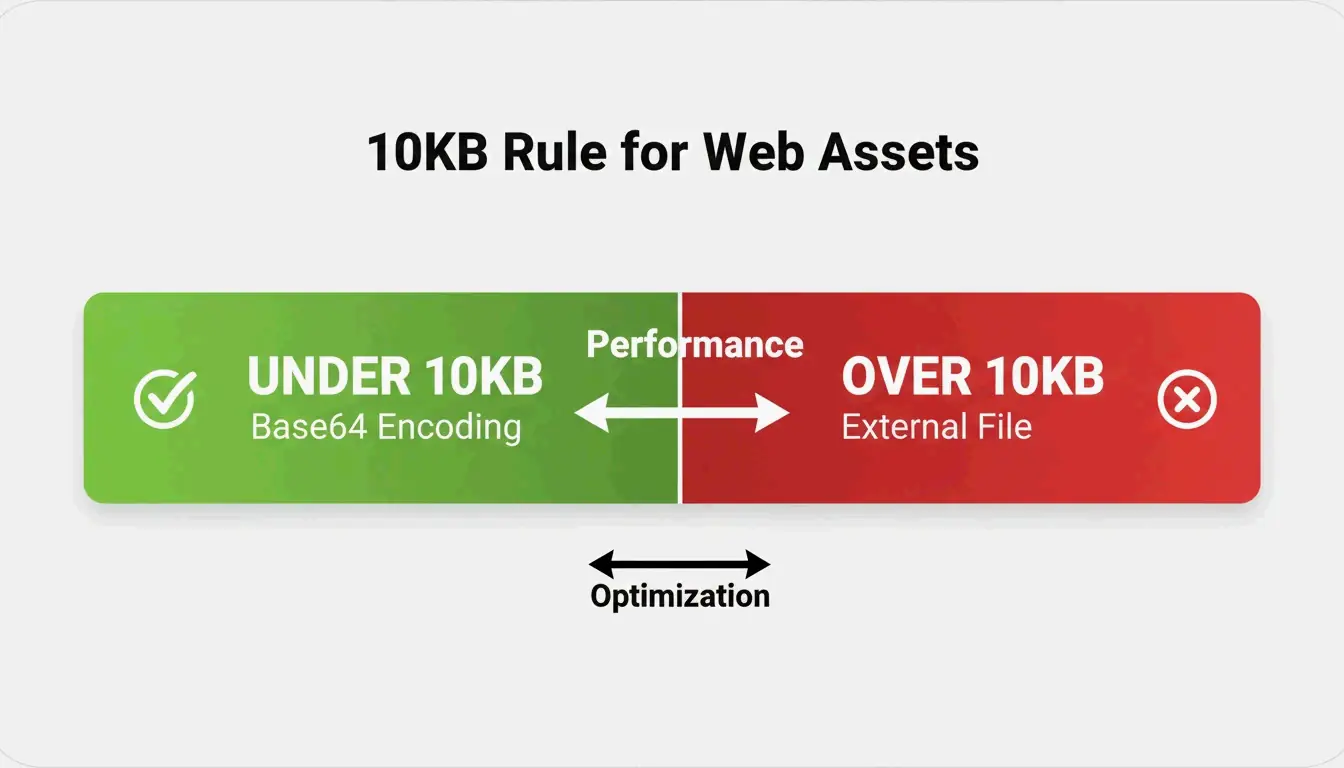
Совет по эффективности: сначала конвертируйте в WebP
По данным FreeConverto, перед кодированием Base64 конвертируйте изображения в WebP. WebP сжимает лучше PNG/JPEG, создавая более короткую строку Base64.
| Формат | Исходный размер | Размер Base64 |
|---|---|---|
| PNG-иконка | 8 КБ | ~10.7 КБ |
| WebP (та же иконка) | 4 КБ | ~5.3 КБ |
WebP + Base64 = половина длины строки по сравнению с PNG + Base64.
Инструменты автоматизации
| Инструмент | Метод | Безопасность |
|---|---|---|
| Расширение VS Code («Image to Base64») | Правый клик → копировать Base64 | Локально |
| FreeConverto | Браузерный FileReader API | Файлы не покидают устройство |
| Скрипт Node.js | Автоматизация CI/CD | Локально/сервер |
Когда использовать и избегать Base64
| Используйте Base64 | Избегайте Base64 |
|---|---|
| Маленькие иконки UI (< 10 КБ) | Большие фотографии (> 10 КБ) |
| Критические ресурсы первого экрана | Изображения на множестве страниц |
| Шаблоны HTML-писем (внешние изображения блокируются) | Ресурсы с кэшированием в браузере |
| Одноразовые декоративные элементы | SVG (используйте чистый XML — меньше + сжимается) |
По данным JustUse.me, Base64 особенно ценен в шаблонах писем, где многие клиенты по умолчанию блокируют внешние изображения.
Заключение
Используйте встраивание Base64 для маленьких UI-ресурсов до 10 КБ — сначала конвертируйте в WebP для кратчайших строк. Большие фотографии и общие ресурсы оставляйте как внешние файлы для кэширования. Для шаблонов писем Base64 обеспечивает отображение изображений без участия пользователя.
Часто задаваемые вопросы
Почему код Base64 такой длинный?
Base64 представляет двоичные данные только 64 символами ASCII — менее эффективно, чем двоичное хранение. Каждый пиксель и значение цвета преобразуются в несколько текстовых символов, добавляя ~33% избыточности. Изображения высокого разрешения создают огромные строки.
Обеспечивает ли Base64 безопасность или шифрование?
Нет. Base64 — это кодирование, а не шифрование. По данным FreeConverto, оно легко обратимо — любой, у кого есть строка, может мгновенно декодировать её без ключа. Не полагайтесь на него для защиты содержимого изображений.
Можно ли использовать Base64 для больших фотографий?
Крайне не рекомендуется. Большие строки Base64 раздувает HTML/CSS, задерживает рендеринг и вредит SEO. По данным DebugBear, они блокируют загрузку критических ресурсов. Используйте внешние файлы с кэшированием и ленивой загрузкой.
SectoJoy
• Indie Hacker & DeveloperI'm an indie hacker building iOS and web applications, with a focus on creating practical SaaS products. I specialize in AI SEO, constantly exploring how intelligent technologies can drive sustainable growth and efficiency.