콘텐츠에 손글씨 느낌이 필요한 이유: AI 시대의 신뢰 신호
2026년, 평범한 AI 콘텐츠는 제로 비용의 상품이 되었습니다. 신뢰를 구축하려면 인간만이 가질 수 있는 신호가 필요합니다: 직접 겪은 경험, 구체적인 맥락에 기반한 판단, 그리고 고유한 개인의 목소리. 데이터에 따르면 독자의 52%는 순수 AI 생성 콘텐츠임을 감지하는 즉시 읽기를 중단합니다 — 이는 진정성이 측정 가능한 비즈니스 우위가 됨을 의미합니다.
신뢰의 희소성: 문제 이면의 데이터
Ahrefs 2025년 데이터에 따르면 새로운 웹페이지의 74.2%가 AI 생성 텍스트를 포함하고 있습니다. 그 결과, 독자들은 표준적인 마케팅 카피에 대해 「맹점」을 개발하게 되었습니다.
| 지표 | 수치 | 출처 |
|---|---|---|
| AI 텍스트가 포함된 웹페이지 | 74.2% | Ahrefs 2025 |
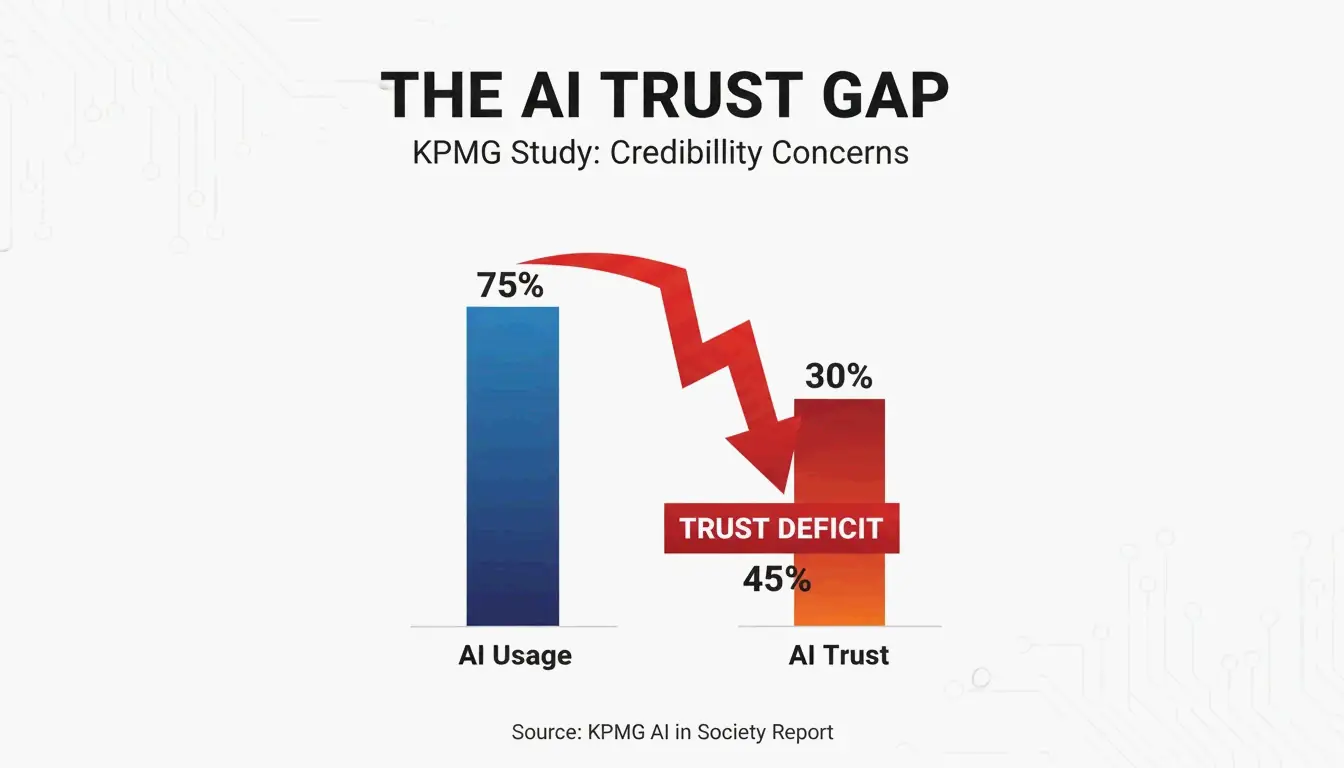
| AI를 정기적으로 사용하는 사람 | 66% | KPMG 2025 |
| AI 출력을 신뢰하는 사람 | 46% | KPMG 2025 |
| 순수 AI 콘텐츠를 포기하는 독자 | 52% | White Beard Strategies 2026 |
사용률(66%)과 신뢰도(46%) 사이의 간극이 핵심 문제입니다. 독자가 화면 너머에 「봇」이 있음을 감지하면, 즉시 작성자의 신뢰성을 깎아내립니다.
유능한 평범함: 통계적 평균의 함정
AI 모델은 통계적 중간값으로 수렴합니다. Lilian Makena가 지적하듯, AI는 목소리를 식별 가능하게 만드는 특유의 습관과 리듬을 닦아냅니다. 출력물은 문법적으로 완벽하지만, 같은 주제의 수천 개 기사와 구분할 수 없습니다.
「손글씨 느낌」 신호를 만드는 것은 무엇인가?
「손글씨 느낌」은 글꼴에 관한 것이 아닙니다. 그것은 실제 인간 사고의 마찰을 보여주는 것 — 직접 작업해본 사람만이 낼 수 있는 증거를 말합니다.
작업의 증명: 신뢰 메커니즘
Jonathan Mast가 사례를 공유했습니다: 한 창업자가 3개월간 매일 다듬어진 AI 콘텐츠를 게시했습니다. 결과: 팔로워 1,200명, 수익 0달러. 볼륨은 있었지만 인간의 증명이 빠져 있었습니다.
| AI 전용 콘텐츠 | 인간 증명이 포함된 콘텐츠 |
|---|---|
| 일반적인 모범 사례 | 구체적인 실패와 교훈 |
| 통계적 평균의 조언 | 경험에서 나온 직관에 반하는 의견 |
| 평범한 예시 | 실제 결과를 동반한 1인칭 일화 |
| 「안전한」 권장 사항 | 개인적 위험을 수반하는 권장 사항 |
이해관계 감사
게시하기 전에 스스로에게 물어보세요: 같은 AI 도구를 사용하는 경쟁자가 이와 똑같은 글을 작성할 수 있을까요? 그렇다면, 당신의 콘텐츠에는 신뢰를 구축하는 인간의 위험 신호가 빠져 있습니다. 신뢰도를 구축하는 콘텐츠는 크리에이터에게 대가를 요구합니다 — 논란이 되는 입장, 솔직한 실수, 또는 직관에 반하는 의견.
계층형 프로토콜: 콘텐츠 유형별 인간과 AI의 균형
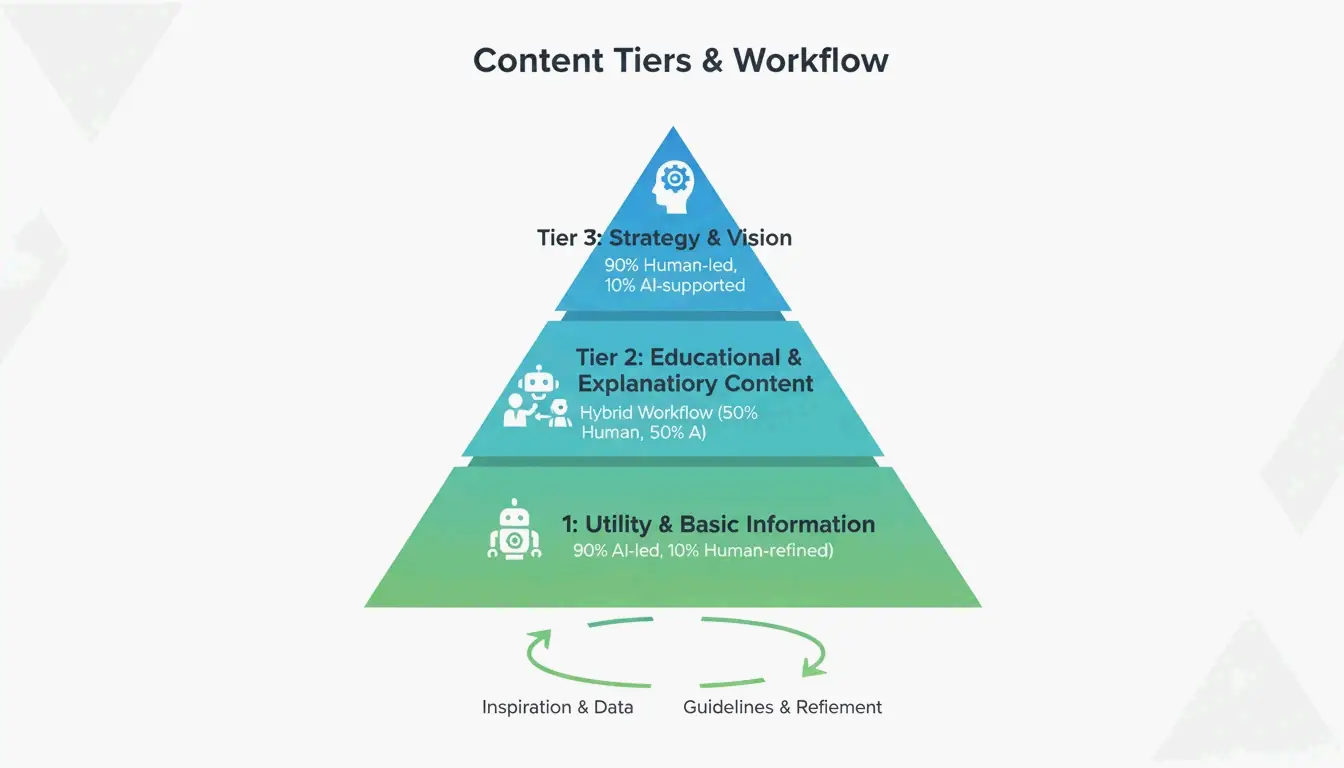
| 계층 | 콘텐츠 유형 | 인간/AI 비율 | 요구 사항 |
|---|---|---|---|
| 1계층 | 전략, 의견, 사상 리더십 | 90% 인간 주도 | AI가 초안에 관여하기 전에 목소리 앵커 확립 |
| 2계층 | 교육용 하우투 가이드 | 인간 주도, AI 지원 | 전문가가 진정성 신호 + 실제 데이터 추가 |
| 3계층 | 제품 설명, 요약 | AI 주도, 인간 검증 | 인간이 정확성과 브랜드 톤 확인 |
이 하이브리드 워크플로우를 통해 계약을 성사시키는 핵심 콘텐츠의 품질을 희생하지 않고 생산을 확장할 수 있습니다.
품질 단위당 비용:真正 중요한 메트릭
단어가 무한하고 무료가 된 시대에 「단어당 비용」은 시대에 뒤떨어졌습니다. 새로운 메트릭은 품질 단위당 비용 — 실제로 전환을 이끌어내는 콘텐츠를 생산하는 데 드는 비용입니다.
AI 전용 콘텐츠의 「신뢰 세금」: 소비자의 52%는 순수 AI 출력을 감지하면 읽기를 중단합니다(White Beard Strategies). 이로 인해 리드가 줄어들고 영업 주기가 길어집니다.
측정 방법: 「일화에 의한 기여도」를 추적하세요 — 영업 통화 중 리드가 당신의 콘텐츠에서 특정 이야기나 독창적인 견해를 언급하는 빈도. 이것은 신뢰 구축 콘텐츠를 수익과 직접적으로 연결합니다.
목소리 앵커링: 확장하면서 진정성 유지하기
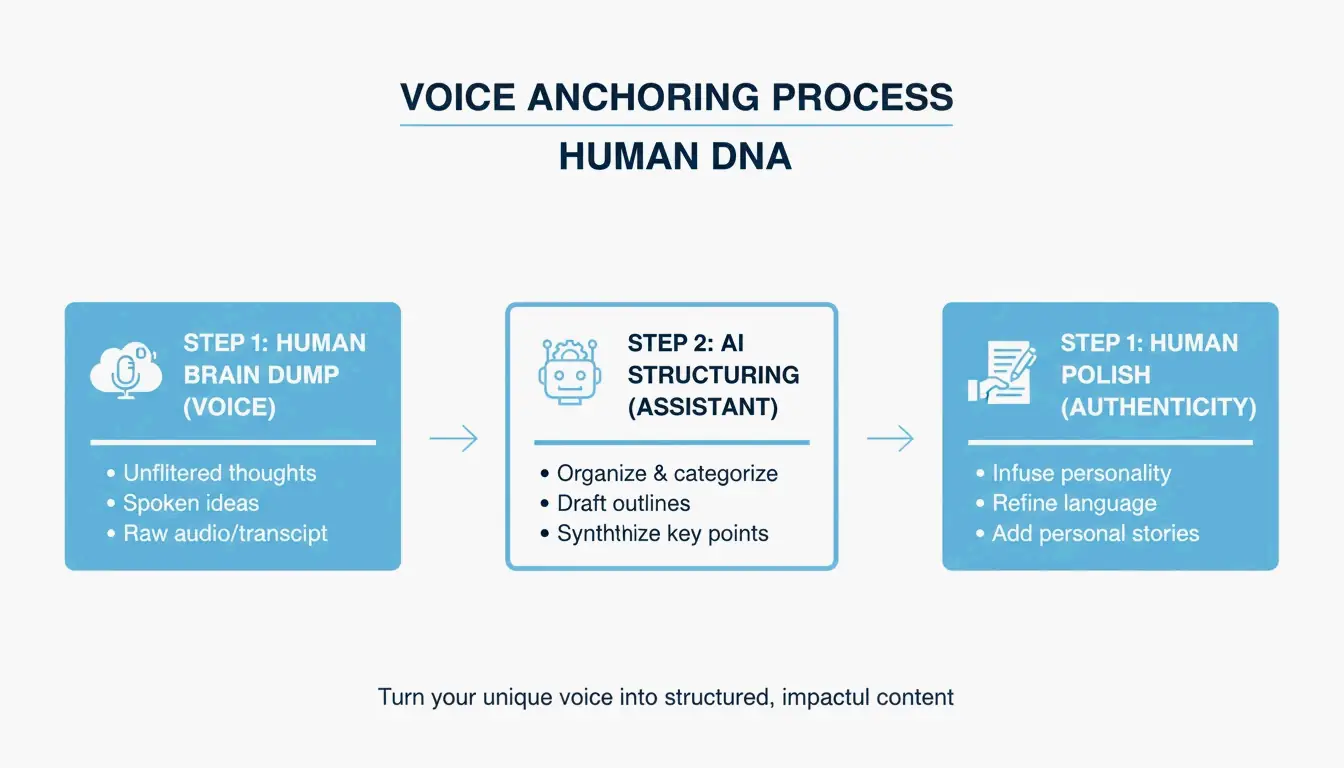
- 녹음: 해당 주제에 대한 당신만의 독창적인 생각을 2분간 「브레인 덤프」합니다(음성-텍스트 또는 인터뷰 형식).
- AI 활용: 조사 도우미로서 뒷받침 데이터를 찾거나, 포맷팅 도우미로서 생각을 정리하는 데 사용합니다.
- 보존: 인간의 관점을 최종 결과물의 DNA로 유지합니다 — 관점은 반드시 당신 것에서 나와야 합니다.
Invoke Media가 지적하듯, 진정한 콘텐츠는 공개된 정보를 단순히 반복하는 것이 아니라 고객의 구체적인 현실을 이해하고 있음을 증명합니다.
결론
2026년, 콘텐츠에서 당신의 유일한 경쟁 우위는 「손글씨 느낌」 — 인간 전문 지식의 구체적이고 생생한 현실입니다. 계층형 프로토콜을 적용하세요: 1계층 콘텐츠는 90% 인간 주도로 유지하고, 목소리 앵커링으로 확장하며, 단어당 비용이 아닌 품질 단위당 비용으로 결과를 측정하세요.
즉각적인 행동: 상위 10개 페이지를 감사하세요. 각 페이지에서 평범하고 AI 같은 느낌의 섹션을 하나씩 찾아 구체적인 사례, 개인적인 교훈, 또는 독창적인 의견으로 교체하세요.
자주 묻는 질문
AI 페르소나를 훈련시켜 나처럼 들리게 하면서도 신뢰를 유지할 수 있나요?
AI는 당신의 문장 구조와 어휘를 모방할 수 있지만, 직접 겪은 경험을 복제할 수는 없습니다. AI를 사용해 구조를 반영시킨 후 「인간 앵커」를 주입하세요 — 오직 당신만 아는 이야기나 구체적인 관찰. 신뢰에는 AI 학습 데이터에 포함되지 않은 현재의 판단력이 필요합니다.
신뢰 구축 콘텐츠와 대량 생산 SEO 포스트의 ROI를 어떻게 측정하나요?
「트래픽」에서 「전환 의도」와 「영업 주기 길이」로 전환하세요. 고신뢰 콘텐츠는 방문자는 적지만 구매자 여정의 더 후반 단계에 있는 더 고품질의 리드를 생성합니다. 「일화에 의한 기여도」 — 잠재 고객이 영업 통화에서 당신의 콘텐츠에 있는 구체적인 견해를 언급한 횟수 — 를 추적하세요.
2026년 검색 엔진과 독자는 어떤 진정성 마커를 찾고 있나요?
검색 엔진은 「정보 이득」을 우선시합니다 — 웹에 추가된 학습 데이터에 없는 새로운 통찰. 독자는 고유한 데이터나 실제 사진으로 뒷받침되는 「1인칭 구체성」(나, 우리, 우리의)을 찾습니다. AI의 통계적 평균과 때때로 다른 일관된 관점이 가장 강력한 인간 전문가 신호입니다.
SectoJoy
• Indie Hacker & DeveloperI'm an indie hacker building iOS and web applications, with a focus on creating practical SaaS products. I specialize in AI SEO, constantly exploring how intelligent technologies can drive sustainable growth and efficiency.