İçeriğiniz Neden El Yazısı Hisine İhtiyaç Duyuyor: AI Çağında Güven Sinyalleri
Jenerik AI içeriği 2026 yılında sıfır maliyetli bir metadır. Güven inşa etmek için insanlığa özgü sinyallere ihtiyacınız var: yaşanmış deneyim, spesifik bağlamsal değerlendirme ve benzersiz kişisel bir ses. Veriler, okuyucuların %52’sinin tamamen AI tarafından üretilmiş içeriği tespit ettiklerinde okumayı bıraktığını gösteriyor — bu da otantikliği ölçülebilir bir iş avantajı haline getiriyor.
Güven Kıtlığı: Sorunun Arkasındaki Veriler
Ahrefs 2025 verileri yeni web sayfalarının %74,2’sinin AI tarafından üretilmiş metin içerdiğini gösteriyor. Sonuç: okuyucular standart pazarlama metinlerine karşı “körlük” geliştirdi.
| Metrik | Değer | Kaynak |
|---|---|---|
| AI metin içeren web sayfaları | %74,2 | Ahrefs 2025 |
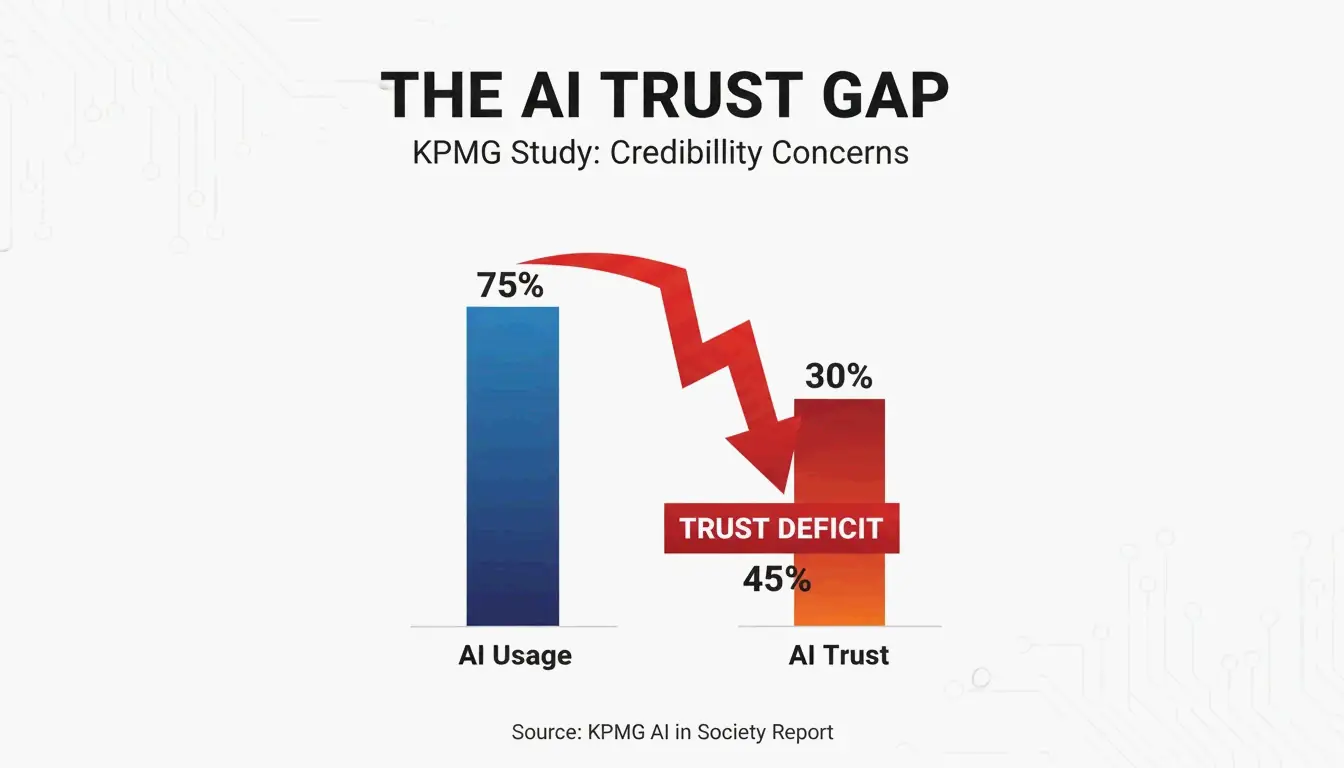
| AI’yi düzenli kullanan kişiler | %66 | KPMG 2025 |
| AI çıktısına güvenen kişiler | %46 | KPMG 2025 |
| Saf AI içeriğini terk eden okuyucular | %52 | White Beard Strategies 2026 |
Kullanım (%66) ve güven (%46) arasındaki boşluk temel sorundur. Okuyucular ekran arkasında bir “bot” tespit ettiklerinde, yazarın güvenilirliğini anında küçümserler.
Yetkin Vasatlık: İstatistiksel Ortalama Tuzağı
AI modelleri istatistiksel ortaya yakınsıyor. Lilian Makena‘nın belirttiği gibi, AI bir sesi tanınabilir kılan tuhaflıkları ve ritimleri silip süpürür. Çıktı dilbilgisi açısından mükemmeldir ama aynı konudaki binlerce diğer makaleden ayırt edilemez.
‘El Yazısı’ Sinyalini Ne Yaratır?
“El yazısı hissi” yazı tipleriyle ilgili değildir. Gerçek insan düşüncesinin sürtünmesini göstermekle ilgilidir — sadece işi yapmaktan gelen kanıt türü.
İş Kanıtı: Güven Mekanizması
Jonathan Mast bir vaka çalışması paylaşıyor: bir kurucu üç ay boyunca her gün cilalanmış AI içeriği paylaştı. Sonuç: 1.200 takipçi, $0 gelir. Hacim vardı ama insan kanıtı yoktu.
| Sadece AI İçeriği | İnsan Kanıtlı İçerik |
|---|---|
| Genel en iyi uygulamalar | Spesifik başarısızlıklar ve öğrenilen dersler |
| İstatistiksel ortalama tavsiye | Deneyimden gelen sezgiye karşı görüşler |
| Jenerik örnekler | Gerçek sonuçlarla birinci şahıs anekdotlar |
| “Güvenli” öneriler | Kişisel risk taşıyan öneriler |
Oyunda Deri Olma Denetimi
Yayınlamadan önce kendinize sorun: Aynı AI araçlarını kullanan bir rakip bu tam parçayı üretebilir miydi? Evet ise, içerik güven inşa eden insan risk sinyalinden yoksundur. Güvenilirlik inşa eden içerik, yaratıcıya bir şeye mal olur — tartışmalı bir duruş, savunmasız bir hata veya sezgiye karşı bir görüş.
Katmanlı Protokol: İçerik Türüne Göre İnsan ve AI Dengesi
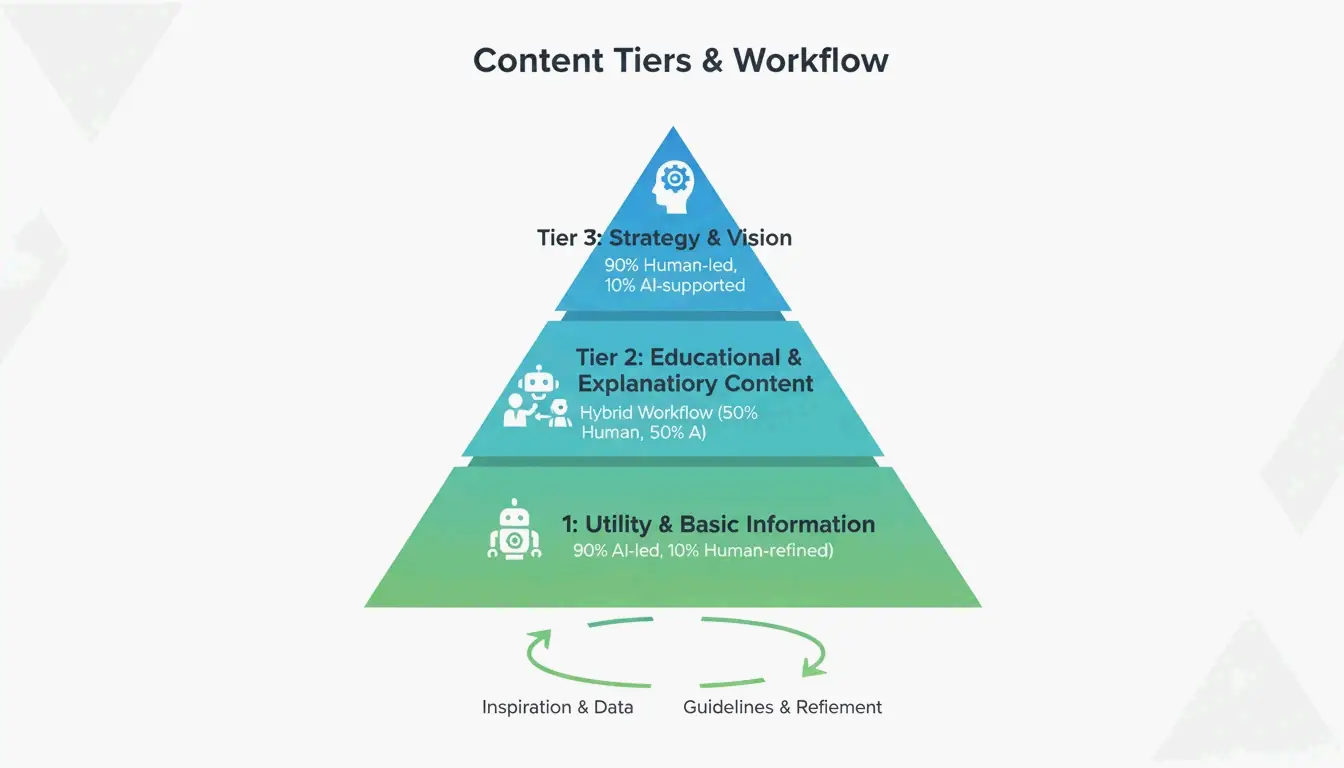
| Katman | İçerik Türü | İnsan/AI Bölüşümü | Gereksinim |
|---|---|---|---|
| Katman 1 | Strateji, görüş, düşünce liderliği | %90 insan yönetiminde | Taslağa AI dokunmadan önce ses çapası |
| Katman 2 | Eğitici nasıl yapılır kılavuzları | İnsan çapalı, AI destekli | Uzman otantiklik sinyalleri + gerçek veriler ekler |
| Katman 3 | Ürün açıklamaları, özetler | AI yönetiminde, insan doğrulamalı | İnsan doğruluğu ve marka tonunu kontrol eder |
Bu hibrit iş akışı, satışları kapatan yüksek kararlılıktaki içerikten ödün vermeden üretimi ölçeklendirmenize olanak tanır.
Birim Başına Kalite Maliyeti: Önemli Olan Metrik
Sözler sonsuz ve ücretsiz olduğunda “Kelime Başına Maliyet” eskidir. Yeni metrik Birim Başına Kalite Maliyeti‘dir — gerçekten dönüşüm sağlayan içerik üretmenin maliyeti.
Sadece AI içeriğinden “Güven Vergisi”: tüketicilerin %52’si saf AI çıktısını tespit ettiklerinde okumayı bırakır (White Beard Strategies). Bu, daha az potansiyel müşteri ve daha uzun satış döngülerine yol açar.
Ölçüm: “Anekdot ile Atıf”ı takip edin — bir potansiyel müşterinin satış görüşmesi sırasında içeriğinizden ne sıklıkla spesifik bir hikaye veya benzersiz bir bakış açısı mention ediyor. Bu, güven inşa eden içeriği doğrudan gelire bağlar.
Ses Çapası: Otantikliği Kaybetmeden Ölçekleme
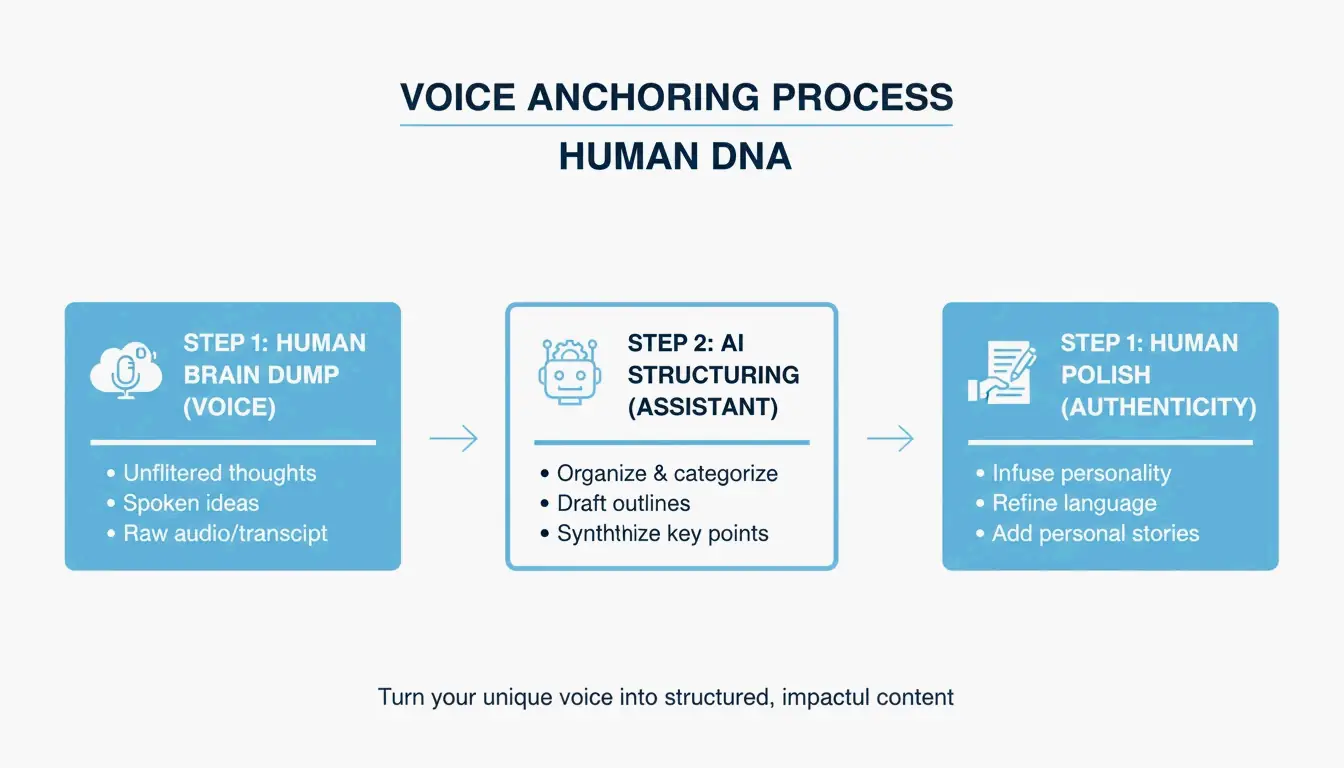
- Kaydedin konu hakkındaki benzersiz düşüncelerinizin 2 dakikalık bir “beyin dökümü”nü (ses-metin veya röportaj).
- AI kullanın destekleyici verileri bulmak için bir araştırma kütüphanecisi olarak veya düşüncelerinizi düzenlemek için bir formatlama asistanı olarak.
- Koruyun insan perspektifini son eserin DNA’sı olarak — bakış açısı sizden gelmelidir.
Invoke Media‘nın belirttiği gibi, otantik içerik, kamuya açık bilgileri tekrarlamak yerine bir müşterinin spesifik gerçekliğini anladığınızı kanıtlar.
Sonuç
2026’da içerikteki tek rekabet avantajınız “el yazısı hissi”dir — insan uzmanlığının spesifik, yaşanmış gerçekliği. Katmanlı protokolü uygulayın: Katman 1 içeriğini %90 insan yönetiminde tutun, ölçekleme için ses çapası kullanın ve sonuçları Kelime Başına Maliyet yerine Birim Başına Kalite Maliyeti ile ölçün.
Hemen yapılacak eylem: En iyi 10 sayfanızı denetleyin. Her birinde jenerik, AI gibi görünen bir bölüm bulun ve onu spesifik bir vaka çalışması, kişisel bir ders veya benzersiz bir görüş ile değiştirin.
SSS
AI kişiselleştirmemi benim gibi konuşması için eğitebilir miyim ve yine de güveni koruyabilir miyim?
AI cümle yapınızı ve kelime dağarcığınızı taklit edebilir ama yaşanmış deneyimi çoğaltamaz. Yapınızı yansıtmak için AI kullanın, ardından bir “insan çapası” enjekte edin — sadece sizin bildiğiniz bir hikaye veya spesifik gözlem. Güven, AI’nın eğitim verisinde bulunmayan güncel değerlendirme gerektirir.
Güven inşa eden içeriğin ROI’sini yüksek hacimli SEO yazılarına karşı nasıl ölçerim?
“Trafik”ten “Dönüşüm Niyeti” ve “Satış Döngüsü Uzunluğu”na geçin. Yüksek güven içerikleri daha az ziyaretçi üretir ama alıcının yolculuğunda daha ileri aşamada, daha yüksek kaliteli potansiyel müşteriler oluşturur. “Anekdot ile Atıf”ı takip edin — bir potansiyel müşterinin satış görüşmesi sırasında içeriğinizdeki spesifik bir bakış açısına başvurduğu durumlar.
Arama motorları ve okuyucular 2026’da hangi otantiklik işaretlerini arıyor?
Arama motorları “Bilgi Kazancını” önceliklendirir — web’e eklenen, eğitim verisinde olmayan yeni içgörüler. Okuyucular benzersiz veriler veya gerçek dünya fotoğraflarıyla desteklenen “Birinci Şahıs Spesifitesini” (Ben, Biz, Bizim) arar. Bazen AI istatistiksel ortalamasıyla aynı fikirde olmayan tutarlı bir perspektif, en güçlü insan uzmanlık sinyalidir.
SectoJoy
• Indie Hacker & DeveloperI'm an indie hacker building iOS and web applications, with a focus on creating practical SaaS products. I specialize in AI SEO, constantly exploring how intelligent technologies can drive sustainable growth and efficiency.