Конвертер часовых поясов: точное планирование глобального времени с поддержкой UTC и перехода на летнее время
Профессиональный конвертер часовых поясов должен синхронизироваться с базой данных часовых поясов IANA (400+ зон), автоматически применять переход на летнее время (DST) и вычислять смещения относительно UTC с точностью до минуты — включая нестандартные смещения, такие как UTC+5:30 (Индия) и UTC+5:45 (Непал). Такие инструменты, как Time.now, дополняют эти данные визуальными планировщиками встреч для надёжного координирования работы в разных часовых поясах.
Трёхшаговый рабочий процесс: Выбор, Синхронизация, Планирование
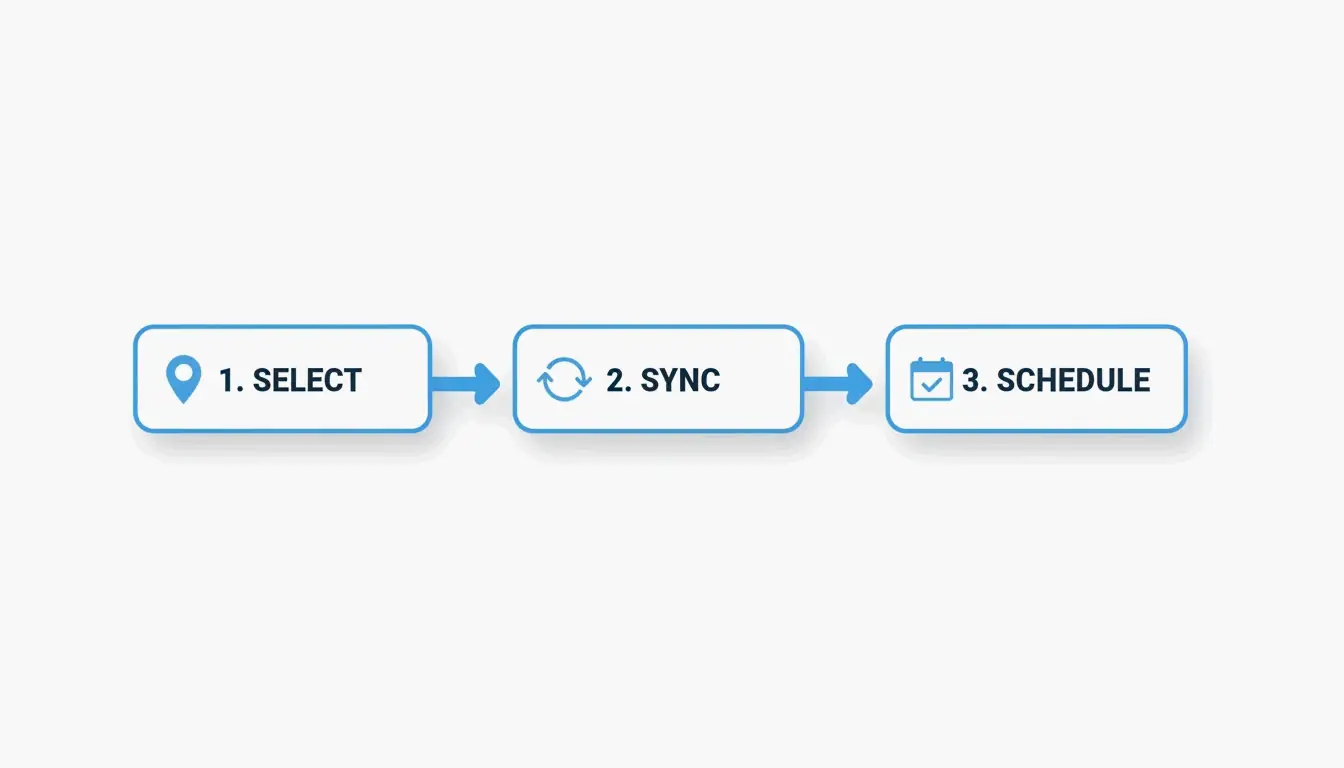
| Шаг | Действие | Почему это важно |
|---|---|---|
| Выбор | Выберите исходный и целевой часовые пояса | База данных IANA отслеживает 400+ зон по всему миру |
| Синхронизация | Примените смещение UTC + текущий статус DST | По состоянию на май 2026 года 62 региона соблюдают переход на летнее время |
| Планирование | Найдите пересекающиеся «Золотые часы» | Избегайте ночных встреч и выгорания от видеозвонков |
Шаг 1: Установите базовое время UTC
UTC (Всемирное координированное время) никогда не меняется при переходе на летнее время. Используйте его как точку отсчёта: Местное время = UTC + Смещение + Корректировка на DST. Эта формула остаётся верной даже при изменении правил перевода часов местным законодательством.
Шаг 2: Автоматизируйте корректировки DST
По состоянию на 7 мая 2026 года Time and Date подтверждает, что 62 региона соблюдают переход на летнее время. Надёжный конвертер обрабатывает эти переходы автоматически — Лондон переключается между GMT (UTC+0) и BST (UTC+1) без ручного вмешательства.
Шаг 3: Найдите Золотые часы
«Золотые часы» — это пересекающиеся временные окна, когда все участники находятся в рабочее время. Для команд, охватывающих EST (Нью-Йорк), PST (Калифорния), IST (Индия) и JST (Япония), визуальные сеточные планировщики мгновенно выделяют эти слоты.
UTC против GMT: техническое различие
| Свойство | UTC | GMT |
|---|---|---|
| Определение | Атомный стандарт времени | Часовой пояс для Великобритании/Европы/Африки |
| Точность | Миллисекундный уровень | Секундный уровень |
| Подвержен DST | Никогда | Да (в Великобритании переход на BST летом) |
| Обязателен для | Авиации, финансов, серверов | Общего планирования в Великобритании/Африке |
Как отмечает 24TimeZones, UTC и GMT функционально идентичны для повседневного использования. Для технических журналов, финансовых операций и систем Unix стандартом является UTC. Unix-время отсчитывает секунды с 1 января 1970 года (эпоха), предоставляя серверам независимую от часовых поясов точку отсчёта.
Статус DST в 2026 году: что всё ещё меняется
Несмотря на законодательные инициативы, такие как Закон о защите солнечного света в США и предложения ЕС по отмене сезонного перевода часов, DST остаётся активным во многих регионах.
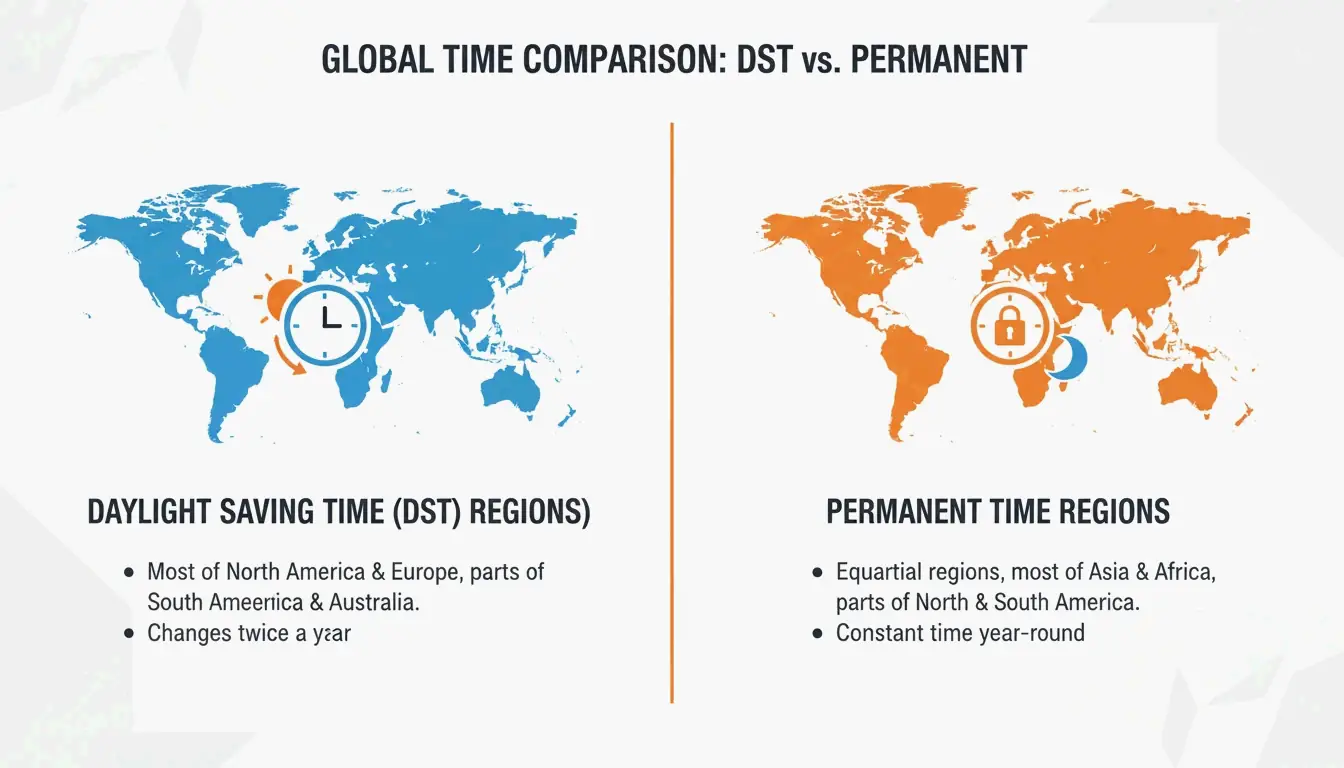
| Категория | Регионы | Статус DST (май 2026) |
|---|---|---|
| DST активен | США, Канада, ЕС, части Австралии | Применяется смещение +1 час |
| Постоянное время | Аризона (США), Китай, Индия, Япония, большая часть Африки | Без сезонного перехода |
При использовании конвертера обращайте внимание на метку «Постоянное время», чтобы убедиться, что в данном регионе не переводят часы.
Нестандартные смещения часовых поясов
Не все часовые пояса смещаются на целые часы. Распространённые нестандартные смещения:
| Смещение | Регион | Примечание |
|---|---|---|
| UTC+5:30 | Индия (IST) | 30-минутное смещение |
| UTC+5:45 | Непал (NPT) | 45-минутное смещение |
| UTC+9:30 | Австралия (ACST) | Северная территория, Южная Австралия |
| UTC+3:30 | Иран (IRST) | 30-минутное смещение |
Всегда проверяйте эти зоны при планировании «ровно в час» — встреча, назначенная на 9:00 утра в Нью-Йорке, состоится в 18:30 в Мумбаи, а не в 19:00.
ИИ-управляемые рабочие процессы с часовыми поясами
Современные команды используют ИИ-помощников для работы со временем, чтобы исключить ручную конвертацию:
- Планирование на естественном языке: «Запланируй 30-минутную синхронизацию с Токио и Лондоном на следующий вторник утром» — ИИ проверяет данные IANA и автоматически находит лучшее пересечение.
- Интеграция со Slack/Teams: Автоматическое обновление вашего статуса на основе местного времени и рабочих часов.
- Офлайн-синхронизация: Такие приложения, как World Clock: Timezone Converter, кэшируют данные о часовых поясах для использования без интернета.
Для координации высокого уровня — например, научного мероприятия 36-я годовщина Хаббла — синхронизированные временные стандарты обязательны для глобальных обсерваторий.
Заключение
Используйте конвертер часовых поясов на базе IANA, который автоматически применяет смещения UTC и корректировки на летнее время. Для планирования командной работы визуальный планировщик «Золотых часов» превосходит обычный конвертер, показывая пересекающиеся рабочие окна. Для максимальной эффективности интегрируйте ИИ-помощника по времени в ваш рабочий процесс Slack или Teams. Всегда перепроверяйте нестандартные смещения (UTC+5:30, UTC+5:45) перед подтверждением времени встреч.
Часто задаваемые вопросы
В чём разница между GMT и UTC?
UTC — это атомный стандарт времени с миллисекундной точностью, используемый во всём мире в технологиях и науке. GMT — это конкретный часовой пояс, используемый в Великобритании (зимой) и некоторых регионах Африки. Для планирования они функционально идентичны. Для авиации, финансов и серверных журналов стандартом является UTC.
Какие страны не переходят на летнее время?
Большая часть Азии (Китай, Индия, Япония), Африки и Южной Америки не соблюдает переход на летнее время. В США Аризона (за исключением резервации Навахо) остаётся на стандартном времени круглый год. Обращайте внимание на метку «Постоянное время» в вашем конвертере для подтверждения.
Как работают 30-минутные и 45-минутные смещения часовых поясов?
Такие регионы, как Индия (UTC+5:30) и Непал (UTC+5:45), используют дробные смещения. Современные конвертеры, использующие базу данных IANA, обрабатывают их автоматически. При планировании между этими зонами перепроверяйте точное местное время — предположение о ровном часе может привести к опозданию на 30 минут.
SectoJoy
• Indie Hacker & DeveloperI'm an indie hacker building iOS and web applications, with a focus on creating practical SaaS products. I specialize in AI SEO, constantly exploring how intelligent technologies can drive sustainable growth and efficiency.