محول المناطق الزمنية: جدولة عالمية دقيقة مع دعم UTC والتوقيت الصيفي
يجب أن يتزامن محول المناطق الزمنية الاحترافي مع قاعدة بيانات IANA للمناطق الزمنية (أكثر من 400 منطقة)، ويطبق التوقيت الصيفي (DST) تلقائيًا، ويحسب إزاحات UTC بدقة تصل إلى الدقيقة — بما في ذلك الإزاحات غير القياسية مثل UTC+5:30 (الهند) وUTC+5:45 (نيبال). أدوات مثل Time.now تقترن هذه البيانات بمخططات اجتماعات بصرية لجدولة موثوقة عبر المناطق الزمنية المختلفة.
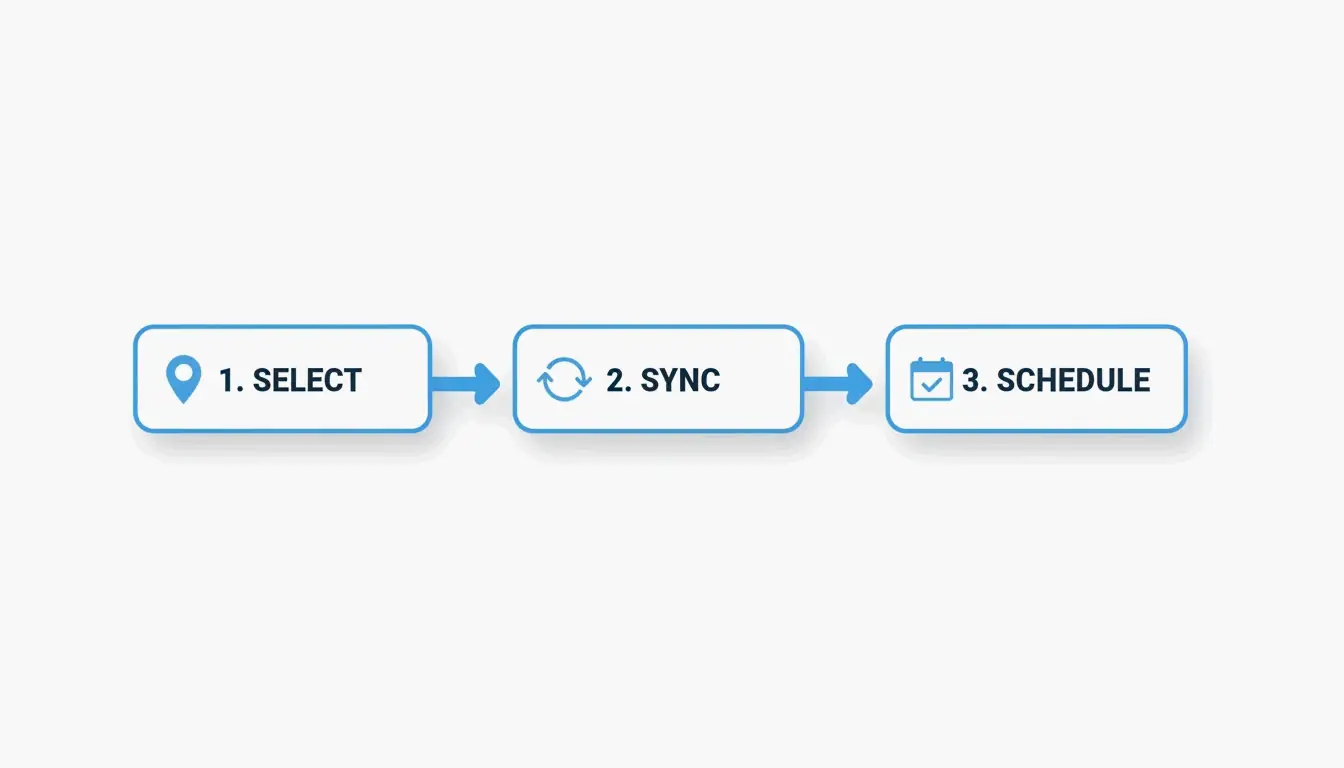
سير العمل في 3 خطوات: اختيار، مزامنة، جدولة
| الخطوة | الإجراء | لماذا هي مهمة |
|---|---|---|
| اختيار | اختيار المناطق الزمنية المصدر والهدف | تتتبع قاعدة بيانات IANA أكثر من 400 منطقة حول العالم |
| مزامنة | تطبيق إزاحة UTC + حالة التوقيت الصيفي الحالية | 62 منطقة تطبق التوقيت الصيفي حتى مايو 2026 |
| جدولة | إيجاد الساعات الذهبية المتداخلة | تجنب الاجتماعات في منتصف الليل والإرهاق |
الخطوة 1: تأسيس خط الأساس UTC
لا يتغير UTC (التوقيت العالمي المنسق) أبدًا مع التوقيت الصيفي. استخدمه كنقطة مرجعية: التوقيت المحلي = UTC + الإزاحة + تعديل التوقيت الصيفي. تبقى هذه المعادلة صحيحة حتى عندما تغير القوانين المحلية قواعد الساعات.
الخطوة 2: أتمتة تعديلات التوقيت الصيفي
حتى 7 مايو 2026، يؤكد Time and Date أن 62 منطقة تطبق التوقيت الصيفي. المحول الموثوق يتعامل مع هذه التغييرات تلقائيًا.
الخطوة 3: إيجاد الساعات الذهبية
الساعات الذهبية هي فترات متداخلة يكون فيها جميع المشاركين ضمن ساعات العمل. للفرق الممتدة عبر EST (نيويورك)، وPST (كاليفورنيا)، وIST (الهند)، وJST (اليابان)، تسلط أدوات التخطيط البصري الضوء على هذه الفترات فورًا.
UTC مقابل GMT: الفارق التقني
| الخاصية | UTC | GMT |
|---|---|---|
| التعريف | معيار الوقت الذري | منطقة زمنية للمملكة المتحدة وأوروبا وأفريقيا |
| الدقة | مستوى المللي ثانية | مستوى الثانية |
| يتأثر بالتوقيت الصيفي | أبدًا | نعم (تتحول المملكة المتحدة إلى BST في الصيف) |
| مطلوب لـ | الطيران، المالية، الخوادم | الجدولة العامة في المملكة المتحدة وأفريقيا |
كما يشير 24TimeZones، فإن UTC وGMT متطابقان عمليًا في الاستخدام العادي. للسجلات التقنية والصفقات المالية وأنظمة Unix، يُعد UTC المعيار المطلوب. يحسب Unix Time الثواني منذ 1 يناير 1970 (العصر)، مما يوفر للخوادم مرجعًا مستقلًا عن المناطق الزمنية.
حالة التوقيت الصيفي في 2026: ما الذي ما زال يتغير
على الرغم من الجهود التشريعية مثل قانون حماية أشعة الشمس الأمريكي ومقترحات الاتحاد الأوروبي لإنهاء تغيير الساعات مرتين سنويًا، يظل التوقيت الصيفي ساريًا في العديد من المناطق.
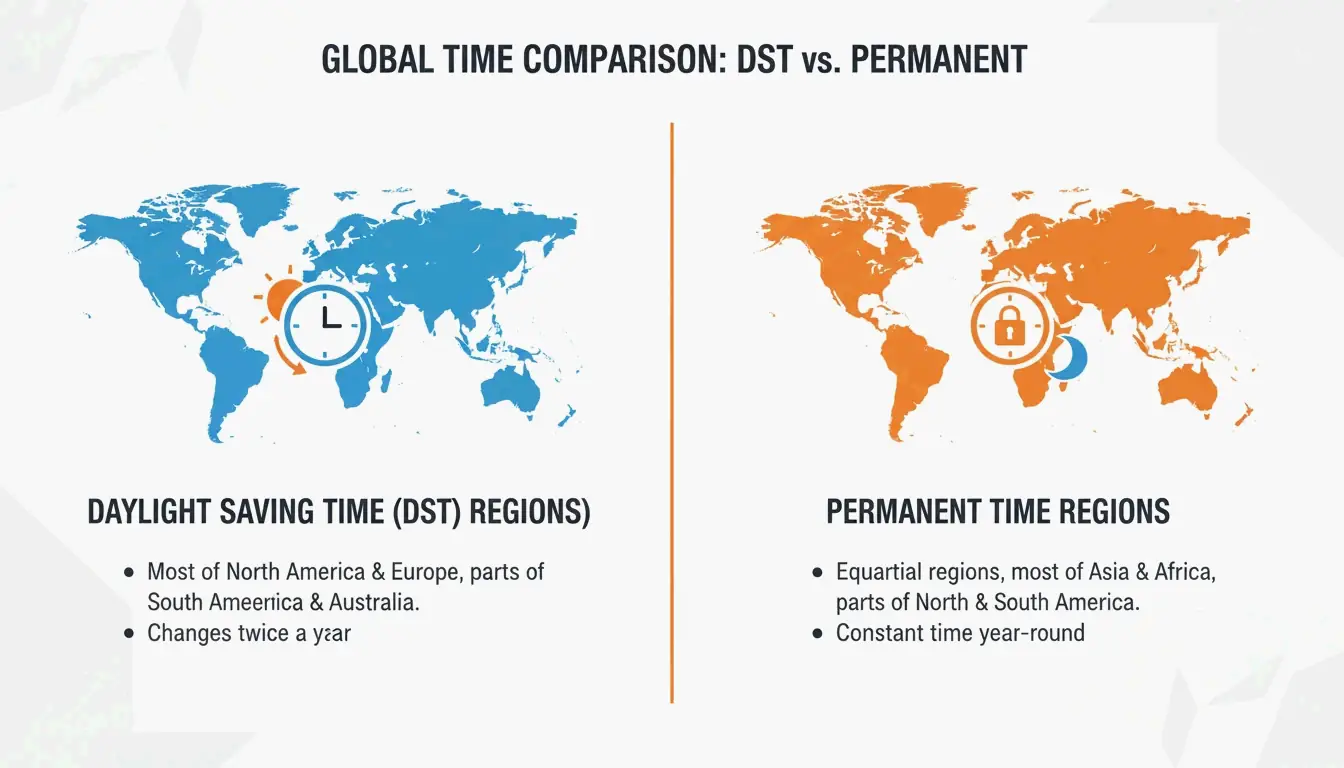
| الفئة | المناطق | حالة التوقيت الصيفي (مايو 2026) |
|---|---|---|
| التوقيت الصيفي ساري | الولايات المتحدة، كندا، الاتحاد الأوروبي، أجزاء من أستراليا | إزاحة +1 ساعة مطبقة |
| التوقيت الثابت | أريزونا (الولايات المتحدة)، الصين، الهند، اليابان، معظم أفريقيا | لا تغيير موسمي |
عند استخدام محول، ابحث عن تصنيف التوقيت الثابت لتأكيد أن المنطقة لا تغير ساعاتها.
إزاحات المناطق الزمنية غير القياسية
| الإزاحة | المنطقة | ملاحظة |
|---|---|---|
| UTC+5:30 | الهند (IST) | إزاحة 30 دقيقة |
| UTC+5:45 | نيبال (NPT) | إزاحة 45 دقيقة |
| UTC+9:30 | أستراليا (ACST) | الإقليم الشمالي، جنوب أستراليا |
| UTC+3:30 | إيران (IRST) | إزاحة 30 دقيقة |
تحقق دائمًا من هذه المناطق عند الجدولة على الساعة الكاملة — اجتماع مُحدد الساعة 9:00 صباحًا في نيويورك يكون الساعة 6:30 مساءً في مومباي، وليس 7:00 مساءً.
سير عمل المناطق الزمنية المدعوم بالذكاء الاصطناعي
الفرق الحديثة تستخدم مساعدي الوقت بالذكاء الاصطناعي للقضاء على التحويل اليدوي:
- الجدولة باللغة الطبيعية: حدد اجتماعًا مدته 30 دقيقة مع طوكيو ولندن صباح يوم الثلاثاء القادم — يتحقق الذكاء الاصطناعي من بيانات IANA ويجد أفضل تداخل تلقائيًا.
- تكامل Slack/Teams: تحديث حالتك تلقائيًا بناءً على التوقيت المحلي وساعات العمل.
- مزامنة بدون اتصال: تطبيقات مثل World Clock: Timezone Converter تخزن بيانات المناطق الزمنية مؤقتًا لاستخدامها بدون اتصال بالإنترنت.
للتنسيق الحساس — مثل الذكرى السادسة والثلاثين لتلسكوب هابل العلمية — معايير الوقت المتزامنة لا تقبل التفاوض عبر المراصد العالمية.
الخلاصة
استخدم محول مناطق زمنية مدعوم بـ IANA يطبق إزاحات UTC وتعديلات التوقيت الصيفي تلقائيًا. لجدولة الفرق، يتفوق مخطط الساعات الذهبية البصري على المحولات الأساسية من خلال عرض فترات العمل المتداخلة. للحصول على أعلى إنتاجية، ادمج مساعد الوقت بالذكاء الاصطناعي في سير عمل Slack أو Teams الحالي. تحقق دائمًا من الإزاحات غير القياسية (UTC+5:30، UTC+5:45) قبل تأكيد أوقات الاجتماعات.
الأسئلة الشائعة
ما الفرق بين GMT وUTC؟
UTC هو معيار الوقت الذري بدقة تصل إلى المللي ثانية، يُستخدم عالميًا في التكنولوجيا والعلوم. GMT هي منطقة زمنية محددة تُستخدم في المملكة المتحدة (في الشتاء) وأجزاء من أفريقيا. للجدولة، هما متطابقان عمليًا. للطيران والمالية وسجلات الخوادم، يُعد UTC المعيار المطلوب.
ما هي الدول التي لا تطبق التوقيت الصيفي؟
معظم آسيا (الصين، الهند، اليابان) وأفريقيا وأمريكا الجنوبية لا تطبق التوقيت الصيفي. في الولايات المتحدة، تبقى أريزونا (باستثناء أمة نافاجو) على التوقيت القياسي طوال العام. ابحث عن تصنيف التوقيت الثابت في المحول للتأكيد.
كيف تعمل إزاحات المناطق الزمنية بمقدار 30 دقيقة و45 دقيقة؟
مناطق مثل الهند (UTC+5:30) ونيبال (UTC+5:45) تستخدم إزاحات كسرية. المحولات الحديثة التي تستخدم قاعدة بيانات IANA تتعامل معها تلقائيًا. عند الجدولة عبر هذه المناطق، تحقق من التوقيت المحلي الدقيق — افتراض جدولة بساعة واحدة قد يجعلك متأخرًا 30 دقيقة.
SectoJoy
• Indie Hacker & DeveloperI'm an indie hacker building iOS and web applications, with a focus on creating practical SaaS products. I specialize in AI SEO, constantly exploring how intelligent technologies can drive sustainable growth and efficiency.